
Why Your Homeowner’s Insurance May Not Cover That Roof Claim (And What To Do About It)
Home /
You filed a claim after the storm. You expected your homeowner’s insurance to do exactly what you’ve been paying it to do for years. Then the denial letter arrived.
A denied roof claim by homeowners’ insurance is one of the most frustrating situations a property owner can face. The damage is real, the cost is real, and yet the company that’s supposed to help you is telling you no.
The hard truth is that homeowner’s insurance companies deny roof claims every day, and most of the time, those denials aren’t random. They’re based on specific policy language, exclusions buried in the fine print, and documentation (or the lack of it) at the time of the claim. Knowing what those triggers are before you file can dramatically improve your odds of getting paid.
The Most Common Reasons Insurers Deny Roof Claims
Age and Deterioration
This is the single biggest reason roof claims get denied. Most standard homeowner policies cover sudden, accidental damage. They don’t cover a roof that was already failing.
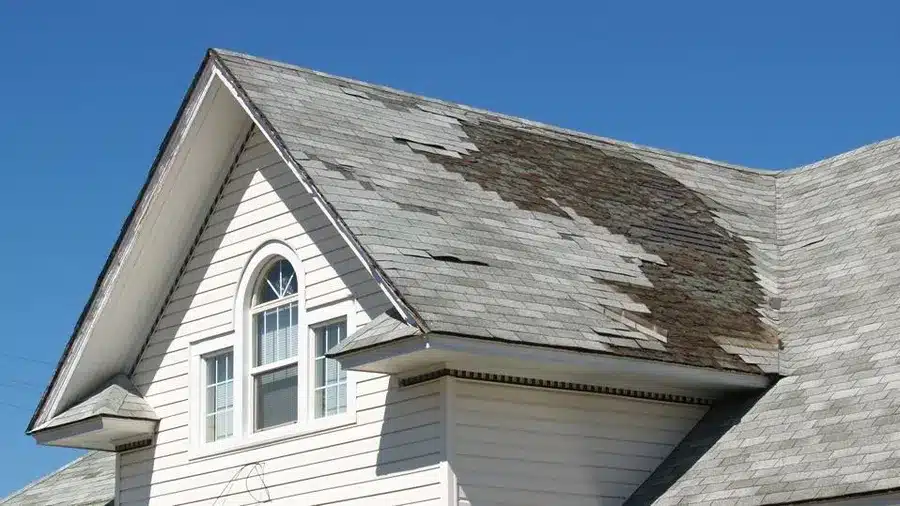
If your roof is 15 or 20 years old and shows signs of granule loss, brittle shingles, or sagging sections, an adjuster may determine that the storm didn’t cause the damage. The argument becomes that the existing deterioration made the roof vulnerable, and the storm simply finished what time had already started. Insurers call this “wear and tear,” and virtually every policy excludes it.
This matters especially in Western North Carolina, where freeze-thaw cycling accelerates shingle breakdown over time. A roof that looks fine from the street may already be compromised in ways an adjuster will use to limit or deny your claim.
Lack of Maintenance
Homeowner’s Insurance policies include what’s sometimes called an “implied duty to maintain.” If your gutters have been clogged for years, or you’ve ignored a slow leak that was showing up in your attic, that history can work against you at claim time. The insurer’s position is straightforward: you knew, or should have known, about a problem and didn’t address it.
This is one of the reasons a preventative roof maintenance plan isn’t just good for your roof’s lifespan. It’s also documentation that you were actively taking care of the property.
Exclusions Specific to Your Policy Type
Not all homeowner’s insurance policies are the same. Some cover roofs at actual cash value (ACV), which means the insurer factors in depreciation when calculating your payout. If your 18-year-old roof is damaged, you may receive only a fraction of what replacement actually costs.
Others cover at replacement cost value (RCV), which pays the full cost to replace the roof with materials of similar quality. The difference between these two coverage types is significant, and many homeowners don’t realize which one they have until they’re looking at a claim check that doesn’t come close to covering the job.
“Act of God” Exclusions and Flood-Related Damage
Standard homeowner policies typically cover wind and hail damage, but flooding is usually a separate policy. If water entered your home during a major storm because of overland flooding rather than roof damage caused by wind, your standard policy may not respond. This became a very real issue for many Western North Carolina homeowners during the recovery from Hurricane Helene.
The line between wind-driven rain damage and flood damage can be blurry, and adjusters sometimes draw it in the insurer’s favor.

What Documentation Actually Helps Get Claims Approved
If you’re dealing with a denied roof claim under your homeowners’ insurance, or you want to protect yourself against a future denial, documentation is your best tool.
Inspection Records
Having a professional roof inspection on file changes the conversation. It establishes a baseline. If an inspection two years ago showed the roof was in good condition, and now there’s storm damage, it’s much harder for an insurer to argue that the damage was pre-existing.
Ask for a written inspection report and keep it with your homeowner’s insurance documents. Date matters here. The more recent the inspection, the more useful it is.
Photos Before the Storm
This one is simple, but almost nobody does it. Take photos of your roof every year or two, ideally after a professional inspection or maintenance visit. Timestamped photos showing the roof’s condition before a storm can counter an adjuster’s claim that the damage was already there.
Maintenance Records
Keep receipts from every roofing service, gutter cleaning, and repair. If you’ve had work done through a contractor like Secure Roofing, ask for written documentation detailing what was inspected and the roof’s condition at the time of service. This paper trail demonstrates that you’ve been actively maintaining the property.
Your Own Storm Documentation
The storm’s date and time, local weather service records confirming hail or high winds, and any neighbor photos or news coverage of the event can all support your claim. Weather data is publicly available and used by adjusters. You can use it too.
What To Do If Your Claim Gets Denied
Read the Denial Letter Carefully
The denial letter has to state a specific reason. Read it. The reason given tells you exactly what you’re dealing with, whether it’s an exclusion, a disputed cause of damage, or a documentation issue.
Request a Re-Inspection
You have the right to request a second inspection. If you believe the adjuster’s assessment was inaccurate, ask for another one, and this time have a roofing contractor present. Having an experienced contractor there to point out specific storm-related damage patterns, hail strikes, and impact evidence gives you a much stronger position than standing there alone.
Get an Independent Roofing Assessment
Before you accept a denial or a low settlement, get a second opinion from a roofing contractor who works with insurance claims regularly. A qualified contractor can write a detailed damage assessment that documents exactly what was damaged, what caused it, and what it will cost to repair or replace. That report becomes part of your formal dispute.
Secure Roofing works directly with homeowner’s insurance companies throughout Western North Carolina and has helped homeowners document legitimate storm damage that was initially denied or undervalued.
Consider a Public Adjuster
If the claim is large and the denial seems clearly wrong, a public adjuster works on your behalf, not the homeowner’s insurance company’s. They typically take a percentage of the final settlement, but on a significant claim, they can often recover far more than that cost. They understand policy language and negotiation in ways most homeowners don’t.
The Role Maintenance Plays in Your Coverage
There’s a preventive angle to all of this that’s worth making explicit. The best time to strengthen your position on a future claim is before anything bad happens.
A roof replacement in Asheville after age 15 to 20 years may be more financially sound than paying for repairs on an aging roof while watching your coverage erode. Newer roofs are less likely to have claims denied on wear-and-tear grounds, and some insurers offer lower premiums for recently replaced roofs.
If your roof is aging, options like Roof Maxx treatment can help extend its functional lifespan while providing documented evidence that the roof is in an active, well-maintained condition rather than in neglect and deterioration.
Frequently Asked Questions
Can a homeowner’s insurance company deny a roof claim for a storm that definitely happened?
Yes. The existence of a storm doesn’t guarantee coverage. Insurers can still deny coverage based on the roof’s condition before the storm, policy exclusions, or a disputed cause of damage. The claim has to show that covered damage occurred, not just that a storm passed through.
Does filing a roof claim raise my homeowner’s insurance rates?
It can. Some insurers raise premiums after a paid claim, and multiple claims in a short period can affect your insurability. This is worth factoring in when deciding whether to file a claim for smaller amounts of damage.
Should I get a roofing inspection before calling my homeowner’s insurance?
Many contractors recommend it. A professional inspection before you call gives you an independent baseline and helps you understand what you’re actually dealing with before the adjuster shows up. It also gives you documentation in hand if there’s a dispute.
You Don’t Have to Navigate This Alone
A homeowner’s insurance denied roof claim feels like a dead end. It usually isn’t. The right documentation, the right professional support, and a clear understanding of your policy give you real options.
Secure Roofing has worked with homeowners across Asheville, Hendersonville, Brevard, and throughout Western North Carolina on homeowner’s insurance claim documentation and roof assessments. If you’ve received a denial or want to get ahead of a potential claim, call us at 828-888-ROOF or schedule a free consultation online.

Schedule Our Service
Our Services

Contact Our Roofing Team
Ask Secure Roofing today for an appointment. Call us or fill out the form to get started.