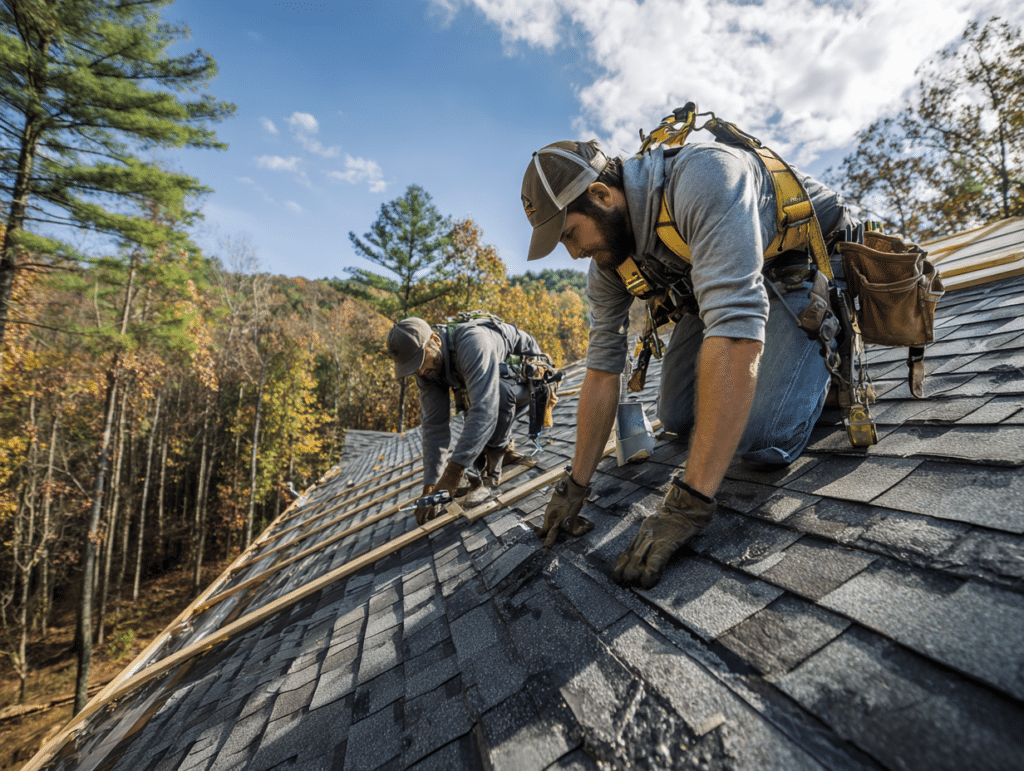
Getting a new roof installed is one of the bigger home improvement projects you will go through as a homeowner. The process itself is not complicated, but if you have never been through it before, the whole thing can feel a little uncertain. What will the crew actually do? How long will it take? What do you need to do to prepare?
Knowing what to expect takes a lot of that uncertainty off the table. This walkthrough covers the full process from the initial consultation through cleanup and final inspection, so you know exactly what is happening and when.
Step 1: The Initial Consultation and Inspection
Everything starts with a conversation and a thorough look at your current roof. A licensed roofing contractor should never give you a real estimate over the phone without seeing the roof. The inspection covers the condition of your shingles, the state of the underlying decking, flashing around chimneys and vents, attic ventilation, and any existing damage.
This initial visit is also where you discuss materials, timelines, and budget. A good contractor explains your options clearly without pressuring you toward the most expensive choice. At Secure Roofing, every consultation is free and comes without any obligation. We want you to feel confident before you commit to anything.
Step 2: Choosing Your Materials
Asphalt shingles remain the most common choice for residential roofs in Western North Carolina, and for good reason. They are durable, widely available, and come with strong manufacturer warranties. We recommend GAF’s Timberline® HDZ and Timberline® UHDZ™ lines specifically. These are consistently among the top-selling shingles in North America, backed by industry-leading warranties, and available in a wide range of colors.
If you want to visualize how different shingle colors and styles will look on your home before making a decision, GAF offers a Virtual Remodeler tool on their website. It is a genuinely useful way to narrow down your choice without guessing.
Metal roofing is the other popular option, particularly for homeowners who want the longest possible lifespan. Standing seam metal roofs can last 50 to 60 years with proper care, handle WNC weather extremely well, and carry energy efficiency benefits that asphalt shingles do not. The upfront cost is higher, but the long-term math often works in its favor.
Your contractor should walk through the pros and cons of both options based on your specific home, budget, and goals.
Step 3: Scheduling and Preparation
Once you have approved the estimate and chosen your materials, a start date gets scheduled. Depending on the time of year and the contractor’s workload, this could be within a few days or a couple of weeks.
Before the crew arrives, a few things are worth doing around your property:
Move vehicles out of the driveway and away from the immediate area around the house. Debris and materials will be coming down, and you do not want a car underneath them.
Bring in any outdoor furniture, potted plants, or decorative items near the home’s perimeter.
Take down or secure anything hanging on interior walls near the roofline. The vibration from tear-off can cause items to shift.
Let your neighbors know. A full roof installation is not quiet, and it is a common courtesy if you have close neighbors.
If you have pets, plan to keep them inside or in a secure outdoor area away from the work zone.
Step 4: Tear-Off
The installation day usually begins with tear-off, which is exactly what it sounds like. The existing roofing material is removed down to the decking. This is typically the loudest part of the process and generates a significant amount of debris. The crew uses tarps and staging areas to manage waste, and a dumpster or disposal trailer is usually positioned on or near your property.
Tear-off is important because it gives the crew a clear look at what is underneath. Damaged, rotted, or soft decking that was not obvious during the inspection sometimes becomes visible at this stage. A reputable contractor communicates this to you immediately, explains the repair, and gets your approval before proceeding. This is not an opportunity to add on unauthorized costs. You should always know about and approve any additional work.
Step 5: Decking Inspection and Repairs
Once the old material is off, the decking gets a thorough inspection. Any sections that are soft, warped, or water-damaged get replaced. This matters because shingles are only as good as the surface they are attached to. Skipping decking repairs to save time or money creates problems that show up later.
A thorough contractor also checks the fascia boards and soffit at this stage, making sure the edge of the roof system is solid before laying down new material.
Step 6: Installing the Roof System Layers
A properly installed roof is not just shingles on decking. It is a system of interlocking layers, each with a specific function.
Leak Barrier: A self-adhering waterproof membrane applied to the most vulnerable areas first, primarily the eaves, valleys, and around penetrations like chimneys and vents. This layer provides a secondary defense if water ever gets past the shingles.
Roof Deck Protection (Underlayment): A layer of synthetic or felt material applied over the full decking surface. This provides an additional barrier against moisture and protects the decking during installation.
Starter Strip Shingles: Applied along the eaves and rakes before the main shingles go on. This layer is critical for wind resistance and sealing the roof’s edges.
Shingles: The main visible layer is installed from the bottom up in overlapping rows. Proper nailing pattern and placement matter more than most homeowners realize. Improper nailing is one of the most common causes of premature shingle failure and voided warranties.
Flashing: Metal flashing is installed around chimneys, vents, skylights, and wall junctions. This is one of the most important parts of the installation and one of the most common sources of leaks when done incorrectly.
Ridge Cap Shingles: Applied along the peak of the roof, ridge cap shingles provide both weather protection and a finished appearance.
Step 7: Cleanup
A good roofing crew does not leave debris for you to deal with. Thorough cleanup includes removing all old shingles, underlayment scraps, and packaging materials from your property. Magnetic rollers are typically run across the lawn and driveway to collect stray roofing nails. This step matters. A single nail in a car tire or a child’s foot is completely avoidable with proper cleanup procedures.
Walk around your property with the crew foreman at the end of the job to inspect the work and confirm the cleanup is complete. This is standard practice for any reputable contractor.
Step 8: Final Inspection
Once installation is complete, a final walkthrough of the work covers all the visible components: shingle alignment and coverage, flashing installation, ridge cap appearance, and the condition of gutters and downspouts. Some manufacturers require a certified contractor for warranty eligibility, and this final inspection step is part of what ensures your warranty coverage is intact.
You should receive documentation of the work completed, the materials used (with warranty information), and any notes from the inspection.
Frequently Asked Questions
How long does a residential roof installation take in Asheville?
Most standard residential roofs are completed in one full day for smaller homes, or two days for larger or more complex roof designs. Factors like multi-story homes, steep pitches, and intricate rooflines can add time.
Can installation happen in cold or rainy weather?
Light rain and cold temperatures can delay or complicate installation. Most contractors will not install shingles in active rain or below-freezing temperatures because adhesive strips need adequate warmth to seal properly. Your contractor will monitor the forecast and communicate any schedule adjustments.
Will I need to be home during the installation?
You do not need to be home throughout the process, but it is a good idea to be available by phone. If the crew discovers a decking issue or anything unexpected, they will need to reach you quickly for approval before proceeding.
What warranties come with a new roof installation?
Warranties typically come from two sources: the shingle manufacturer and the contractor. Manufacturer warranties cover material defects and, in some cases, wind and algae damage. Contractor warranties cover workmanship. The length and terms vary by product line and contractor. Ask specifically about both before signing anything.
Is roof installation covered by homeowner’s insurance?
Standard homeowner’s insurance covers sudden damage from storms and other covered events, but not normal wear and aging. If your installation is being driven by storm damage, filing a claim before scheduling the work is worth doing. Our team works with all insurance companies and can assist you through that process.
Preparing for a Smooth Installation
The homeowners who report the best experience are the ones who prepared a little beforehand, stayed available by phone during the project, and did a final walkthrough with the crew before they packed up. It is not complicated.
If you are getting ready for a roof installation in Asheville, Hendersonville, Fletcher, Black Mountain, or anywhere else across Western North Carolina and the South Carolina upstate, our team is glad to walk through every step with you before work begins.
Learn more about our roof installation services or contact Secure Roofing for a free estimate. We are available 24/7 for urgent needs, and there is never an obligation attached to our initial consultation.
Schedule OurService
Our Services
Contact Our Roofing Team
Ask Secure Roofing today for an appointment. Call us or fill out the form to get started.