
Acrylic vs. Silicone vs. Polyurethane: Choosing the Right Metal Roof Coating


Understanding Your Coating Options
Choosing the right metal roof coating comes down to matching the product’s characteristics to your roof’s specific needs. The three major coating types, acrylic, silicone, and polyurethane, each offer distinct advantages that matter in different situations.
Western North Carolina’s mountain climate creates unique challenges. Morning fog builds condensation on metal surfaces. Afternoon sun beats down with intense UV radiation that increases 6-8% per 1,000 feet of elevation. Daily temperature swings of 40-70 degrees during spring and fall stress the coating’s flexibility. Winter ice forms in valleys and eaves while summer storms test waterproofing.
Your roof type influences coating selection, too. Standing seam systems need flexibility at the moving clips. Corrugated panels concentrate stress at ridges. Exposed fastener roofs require excellent sealing around each screw. Commercial low-slope roofs often have ponding water that not all coatings handle well.
This comparison gives you the technical details and practical considerations needed to select the coating that delivers the best value for your specific situation. We’ll break down performance characteristics, cost factors, application requirements, and real-world results for each coating type.
Acrylic Coatings: The Budget-Friendly Standard
Performance Characteristics
Acrylic coatings deliver excellent UV resistance through their water-based chemistry. The polymer structure naturally reflects solar radiation without requiring heavy pigment loading. White acrylic coatings achieve Solar Reflectance Index (SRI) values of 100-110, easily meeting ENERGY STAR cool roof standards and reducing surface temperatures by 40-60 degrees on summer afternoons.
The reflectivity translates to measurable energy savings. Homes in Asheville typically see cooling cost reductions of 10-18% after applying white acrylic coatings to dark metal roofs. A household spending $1,200 annually on air conditioning might save $120-216 per year, with actual results depending on attic insulation quality and building orientation.
Temperature limitations present the main performance constraint. Acrylics become brittle below 20 degrees Fahrenheit, which happens regularly at higher elevations during winter. The coating won’t fail catastrophically, but it loses some flexibility during cold snaps. This rarely causes problems on properly installed systems, but is a consideration for properties at elevations above 3,500 feet.
Cost Analysis
Material costs range from $0.40 to $0.80 per square foot, depending on the quality tier. Budget formulations at the low end deliver adequate performance for 8-10 years. Premium acrylics with enhanced flexibility and better warranties cost more but offer a service life of 12-15 years.
Labor typically adds $1.10 to $1.70 per square foot for professional application on standard residential roofs. This includes surface preparation, one or two coats depending on substrate condition, and detail work around penetrations. Complex roofs with multiple valleys and dormers push toward the higher end of the range.
The total installed cost ranges from $1.50 to $2.50 per square foot. A 2,000-square-foot roof costs $3,000-$5,000 for a complete acrylic coating system, including preparation, materials, and labor. This makes acrylics the most economical option when budget is a primary concern.
The value proposition depends on expected service life. At $3,500 for a typical residential roof with a 12-year recoat interval, you’re investing $292 per year of protection. Compare this to a roof replacement at $15,000-$25,000 for a new metal roof that lasts 40-50 years ($300-$625 per year). The coating delivers comparable annual costs while preserving your existing roof investment.
Application Requirements
Temperature restrictions limit the application season. Most acrylic formulations require 50-60 degrees Fahrenheit at application and for 24-48 hours afterward. This limits work to late April through October at most locations in Western North Carolina, with higher elevations seeing even shorter windows.
Surface preparation requirements are moderate. Clean roofs need only pressure washing to remove dirt and biological growth. Weathered roofs with chalk or light rust benefit from detergent washing and spot treatment. The water-based chemistry tolerates slight surface moisture better than solvent-based coatings, providing some application flexibility.
Coverage rates are 75-100 square feet per gallon at a proper dry-film thickness of 15-18 mils. Two-coat systems apply 8-10 mils per coat, with a 2-6-hour recoat window depending on temperature and humidity. Single-coat applications work on sound substrates, but two coats provide better hiding and more uniform protection.
Best Use Cases
Residential metal roofing applications suit acrylics well. Standing seam systems, metal shingles, and corrugated panels all perform well with quality acrylic coatings. The breathability prevents moisture issues in attic spaces, and the UV resistance handles Western North Carolina’s sun exposure.
Budget-conscious projects benefit from acrylic’s lower cost. Rental properties, outbuildings, and homes where owners plan to sell within 10 years often choose acrylics for their combination of adequate performance and minimum investment. The coating provides solid protection without premium pricing.
Moderate climate exposure aligns well with acrylic capabilities. Properties in Asheville, Hendersonville, and Black Mountain at elevations below 3,000 feet experience weather that acrylics handle comfortably. Higher mountain locations with more severe winters might benefit from silicone’s broader temperature range.
Silicone Coatings: Premium Weatherproofing
Performance Characteristics
Ponding water resistance defines silicone’s primary advantage. The hydrophobic chemistry repels water so effectively that the coating maintains integrity even when submerged for weeks. This makes silicone the only practical choice for low-slope roofs where water pools in valleys or around drains.
Chemical resistance to industrial pollutants and road salt makes silicone suitable for commercial buildings near manufacturing facilities or properties in areas with heavy winter salt use. The coating doesn’t break down from exposure to acids, alkalis, or petroleum products that might affect other formulations.
Service life expectations are 15-20 years in Western North Carolina under proper maintenance. The superior weather resistance and UV stability justify the higher initial cost for property owners planning to own the property long-term. Some manufacturers offer 20-year warranties on properly applied silicone systems.
Cost Analysis
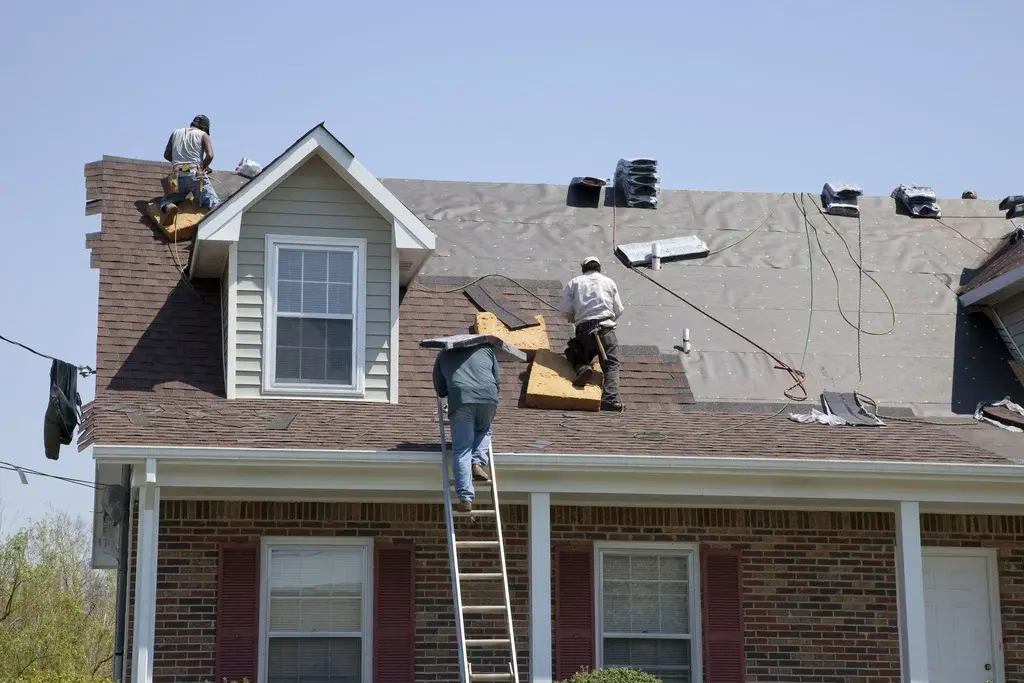
Material costs range from $0.80 to $1.50 per square foot, depending on the formulation. Single-component silicones at the lower end simplify application. Two-component systems at the higher end offer faster cure times and slightly better performance characteristics. Both deliver similar long-term results.
Labor runs $1.20-$2.00 per square foot for professional application. The single-coat application at higher mil thickness (15-20 mils) saves some labor compared to two-coat acrylic systems, but silicone’s working properties require more care. Cleanup with mineral spirits adds time and material costs compared to water cleanup for acrylics.
Commercial applications often justify silicone’s premium through reduced maintenance costs. The waterproofing capability prevents the leaks that plague low-slope roofs, and its durability means fewer service calls. Building owners report total cost-of-ownership advantages over 20-year planning periods.
Application Requirements
Temperature requirements are less restrictive than acrylics. Most silicone formulations are applied at 40 degrees Fahrenheit or above, extending the application season into early spring and late fall. This flexibility matters for scheduling around Western North Carolina’s variable weather patterns.
Surface preparation emphasizes cleanliness more than other coatings. Silicone won’t adhere well to dirty or oily surfaces. Pressure washing with detergent, followed by a solvent wipe-down, ensures proper bonding. The thorough preparation adds cost but prevents the adhesion failures that occasionally plague rushed jobs.
The coating attracts dust during the initial cure, so it requires calm conditions for best results. Wind above 10 mph should postpone the application. The material also requires proper atomization for a uniform appearance, which requires high-quality spray equipment and experienced operators. Budget for professional roof installation services.
Coverage rates run 60-80 square feet per gallon at proper thickness. The higher solids content (90-95% versus 60-70% for acrylics) means less shrinkage from wet to dry, but also higher material costs per gallon. One gallon typically costs $80-120, depending on brand and quality.
Best Use Cases
Low-slope commercial roofs benefit most from silicone’s ponding water resistance. Warehouses, retail buildings, and light-industrial structures with slopes under 2:12 often develop standing-water areas that only silicone handles reliably. The coating prevents the progressive deterioration that leads to expensive roof repairs.
Harsh weather exposure makes silicone worth the premium. Properties at elevations above 3,000 feet, locations with severe winter conditions, or roofs facing south receiving maximum sun exposure all benefit from silicone’s weather resistance and temperature flexibility. The coating handles whatever Western North Carolina weather throws at it.
Long-term property ownership justifies the higher initial investment. Owners planning to keep buildings 15+ years maximize return on silicone’s durability. The extended recoat interval means one fewer coating project over a typical ownership period, saving both money and hassle.
Problem roofs with a history of leaks often get specified for silicone retrofit. The waterproofing capability seals minor gaps and provides insurance against moisture intrusion. Building owners frustrated with recurring leak repairs find silicone’s reliability worth the cost premium.
Polyurethane Coatings: Maximum Durability
Performance Characteristics
Impact resistance sets polyurethane apart from other coating types. Tensile strength exceeding 1,000 psi and exceptional tear resistance allow the coating to withstand foot traffic, equipment installations, and hail impact that would damage acrylics or silicones. This matters for commercial roofs with HVAC equipment requiring regular service access.
The two-component chemistry creates a chemical crosslink that produces incredible toughness. The base and catalyst react to form polymer chains that deliver strength far exceeding that of mechanically drying coatings. This results in a membrane that protects metal substrates under challenging conditions.
Service life expectations reach 20-25 years for quality aliphatic systems in Western North Carolina conditions. The superior durability justifies the cost premium of polyurethane for buildings where roof access is frequent or where maximum longevity is prioritized. Some commercial applications report 30+ years of service life for polyurethane systems.
Cost Analysis
Material costs range from $1.00 to $1.80 per square foot for aliphatic single-coat systems. Aromatic base coat plus topcoat systems might cost slightly less in materials but require more labor for the two-product application. The two-component system’s limited pot life (30-90 minutes after mixing) results in waste from unused material.
Labor typically runs $1.50-$2.20 per square foot for professional application. The mixing requirement and equipment cleanup add time compared to single-component coatings. Most polyurethane applications require experienced commercial roofing contractors rather than general-purpose painters.
Commercial applications justify the use of polyurethane by reducing lifecycle costs. The ability to withstand foot traffic without damage means lower maintenance expenses. Building owners with heavy rooftop equipment report annual savings of $500-1,500 in avoided coating repairs compared to softer acrylic systems.
Application Requirements
Temperature requirements typically mandate 60 degrees Fahrenheit for proper cure. The chemical reaction between base and catalyst slows at lower temperatures, extending cure time and potentially affecting final properties. This limits the application season more than silicone but less than budget acrylics.
Surface preparation needs vary by substrate condition. Sound metal requires standard cleaning. Severely weathered or rusted roofs benefit from aromatic polyurethane’s ability to seal and stabilize deteriorated surfaces before topcoating. The coating can bridge small cracks and seal minor gaps that might cause problems with other coating types.
Coverage rates range from 80 to 120 square feet per gallon, depending on application thickness and substrate absorption. The higher solids content provides good coverage efficiency, but material costs remain high due to the specialized chemistry and performance characteristics.
Best Use Cases
Commercial roofs with equipment traffic benefit most from polyurethane’s toughness. Office buildings, retail centers, and industrial facilities with rooftop HVAC units need coatings that withstand regular service access. Polyurethane prevents the wear patterns and damage that require frequent touch-up on softer coatings.
Maximum durability priorities justify polyurethane’s premium. Properties where minimizing maintenance and maximizing recoat intervals are top concerns benefit from the coating’s exceptional longevity. The longest time between major roof work often matters more to commercial property owners than the initial cost.
Specialized applications, such as chemical exposure, high-temperature environments, or unique environmental conditions, may require polyurethane. The coating’s chemical resistance and structural properties enable it to withstand conditions that would cause other coatings to fail within a few years.
Head-to-Head Comparison
Longevity Rankings
Polyurethane offers a 20-25-year service life in Western North Carolina conditions. The superior durability and impact resistance deliver the longest time between recoating, though at the highest initial cost. Commercial properties and situations requiring maximum toughness justify this premium.
Silicone follows at 15-20 years, providing excellent value for the 30-40% cost premium over acrylics. The extended service life and superior weather resistance make silicone the best balance of cost and performance for many applications. Low-slope roofs and harsh exposures particularly benefit.
Acrylic delivers 10-12 years of solid protection at the lowest cost. While it requires more frequent recoating than other types, the budget-friendly pricing makes it viable for residential applications and situations where a near-term sale or other changes are expected. Total cost of ownership over 20 years often favors higher-end products, but near-term cash flow sometimes drives decisions.
Installation Complexity
Acrylic rates are easiest for application. Water cleanup, forgiving working properties, and the ability to use standard equipment make acrylics accessible for do-it-yourself homeowners and general contractors. Two-coat systems require attention to recoat windows but otherwise present few challenges.
Polyurethane demands professional installation in nearly all cases. The two-component mixing, limited pot life, and specialized equipment requirements make this beyond the reach of most general contractors. Hire experienced commercial roofing contractors familiar with polyurethane systems for reliable results.
Weather Performance
Silicone excels in wet conditions and temperature extremes. The ponding water resistance and flexibility from -40°F to 180°F handle whatever Western North Carolina throws at them. Coastal properties and locations with severe weather benefit most from silicone’s weatherproofing capabilities.
Acrylic provides good UV resistance and breathability, but has temperature limitations. The coating performs well in moderate conditions but loses flexibility in extreme cold. Most residential applications in Western North Carolina fall within acrylic’s capability range, making the temperature limitation a minor concern for elevations below 3,000 feet.
Cost-Benefit Analysis
For budget-conscious residential projects, acrylic at $1.50-$2.50 per square foot delivers adequate protection and measurable energy savings. The 10-12-year service life requires more frequent recoating but keeps the initial investment low. Best choice when near-term costs drive decisions.
For long-term residential ownership or commercial applications, silicone at $2.00-$3.50 per square foot provides the best value. The 15-20 year service life and superior weather resistance justify the premium. The annual cost compares favorably to acrylic while delivering better performance.
For maximum durability or high-traffic roofs, polyurethane at $2.50-$4.00 per square foot makes sense despite its higher initial cost. The 20-25 year service life and exceptional toughness deliver the lowest annual cost while minimizing maintenance hassles and recoating frequency.
Making Your Decision
Roof Type Considerations

Standing seam systems work well with any coating type but benefit from silicone’s flexibility in moving clips. The coating accommodates thermal expansion without cracking at seams. Acrylic works well for residential applications, while polyurethane is suitable for commercial standing-seam roofs with equipment access.
Low-slope roofs typically require silicone. The ponding water resistance prevents the failure modes that plague acrylics and polyurethanes in standing water. Only specify other coating types for low-slope applications if you’re certain drainage is adequate and water never pools.
Climate Factors
Western North Carolina’s humid mountain climate suits all three coating types with proper selection. Properties below 3,000 feet in elevation can use any coating based on other factors. Higher elevations benefit from silicone’s broader temperature range and weather resistance.
Heavy winter conditions favor silicone’s low-temperature flexibility and resistance to de-icing salts. Properties in areas with regular winter road-salt application require coatings that resist chemical attack. Silicone handles these conditions better than other types.
Budget Reality
Available funds often determine the choice of coating, regardless of ideal technical specifications. Acrylic’s $1.50-$2.50 per square foot cost puts coating within reach for more homeowners. The adequate performance makes this a practical choice even when premium products might perform slightly better.
Consider the total cost over the expected ownership period rather than just the initial investment. Silicone, costing $5,500 with an 18-year life, delivers a lower annual cost than acrylic, at $3,500 with a 10-year life, if you own the property long enough. Calculate based on your realistic ownership timeline.
Get Expert Coating Recommendations
Selecting the right metal roof coating requires balancing performance characteristics, cost factors, and your specific situation. The information here provides a solid foundation, but a professional assessment of your roof’s condition and needs delivers the most reliable recommendations.
Our consultation includes a roof inspection, documenting the current condition, discussing your goals and timeline, explaining coating options with pros and cons, providing detailed cost estimates for recommended systems, and an honest assessment of whether coating makes sense or if roof replacement would be more cost-effective for severely deteriorated roofs.
Schedule your free consultation today. Call 828-888-ROOF or fill out our online form. Most consultations are completed within a week, giving you the information needed to make a confident decision about protecting your metal roof investment.