
Annual Roof Inspection Checklist for Western North Carolina Homeowners

Most homeowners wait until they notice a leak or visible damage before calling a roofer. This reactive approach often means the damage has already progressed beyond simple fixes. A systematic inspection schedule catches issues while they’re still manageable and gives you time to budget for repairs rather than scrambling for emergency funds.
Professional inspections provide detailed assessments that go beyond what you can see from the ground. Roofers know where problems typically develop, can identify subtle warning signs, and understand how different issues progress. Their trained eyes spot concerns that homeowners miss, and their reports give you documentation valuable for insurance claims and warranty compliance.
Complete Inspection Checklist
A thorough roof inspection examines multiple components working together to protect your home. Understanding what inspectors check helps you recognize quality service and know what questions to ask about your roof’s condition.
Shingle Assessment
Inspectors start with overall shingle condition, looking for uniform color and texture across the roof surface. They note any curling at shingle edges, which indicates aging and exposure to weather cycles. Cracking or splitting shingles signals brittleness from UV exposure and temperature changes. Missing granules expose the asphalt mat underneath, reducing protection and accelerating deterioration.
Flashing Examination
Metal flashing around chimneys receives careful inspection for rust, cracks, or separation from either the roof or the chimney structure. Inspectors check that the mortar or sealant securing flashing to masonry remains intact. They look for water stains on chimney surfaces that suggest flashing failure.
Gutter and Drainage Inspection
Gutter condition affects both roof longevity and foundation protection. Inspectors check that gutters maintain proper slope toward downspouts, typically one-quarter inch per 10 feet. They look for sagging sections, loose hangers, or separation from the fascia board.
Ventilation Assessment
Proper attic ventilation extends roof life by regulating temperature and moisture. Inspectors check that intake vents at eaves or soffits remain unobstructed by insulation, debris, or paint. They verify that ridge vents, turbine vents, or static vents provide adequate exhaust.
Structural Evaluation
Roof inspection identifies problems requiring immediate attention. From inside the attic, inspectors look for sagging between rafters or trusses, which indicates deck damage or inadequate support. They check for dark stains on decking that suggest current or past leaks.
Best Times to Schedule Inspections
Timing your roof inspection to align with Western North Carolina’s weather patterns helps catch seasonal damage and prepares your roof for upcoming challenges. Two inspection periods provide comprehensive coverage throughout the year.
Spring Inspection Timing
Schedule spring inspections in April or May after the last frost but before summer storm season begins. This timing allows inspectors to assess any damage from winter weather, including ice dam effects, freeze-thaw damage to flashing and sealant, and problems from snow or ice loads.
Post-winter inspection gives you time to complete repairs before summer thunderstorms arrive. If inspectors identify problems, you can schedule repairs during the relatively calm period between winter and peak storm season. This prevents small issues discovered in spring from becoming major problems during summer weather events.
Spring timing works well for roof repair scheduling since contractors typically have more availability than during busy storm seasons. You’re more likely to get prompt service and can often schedule work within a few weeks of inspection rather than waiting months.
Fall Inspection Timing
September through early November provides ideal timing for pre-winter roof inspection. Fall inspection occurs after the summer storm season ends but before winter weather begins. This gives you time to complete repairs before cold weather makes work more difficult and expensive.
Tree coverage influences fall inspection timing. Properties with significant deciduous trees should schedule inspection after most leaves have fallen but before winter storms arrive. This allows contractors to assess gutter condition after leaf accumulation without leaves still covering the roof surface.
Fall repairs benefit from moderate temperatures similar to spring. Materials like sealant and adhesive perform better in mild weather. Shingles are less brittle than in winter cold but not as soft as in summer heat, making fall ideal for shingle replacement work.
Additional Inspection Triggers
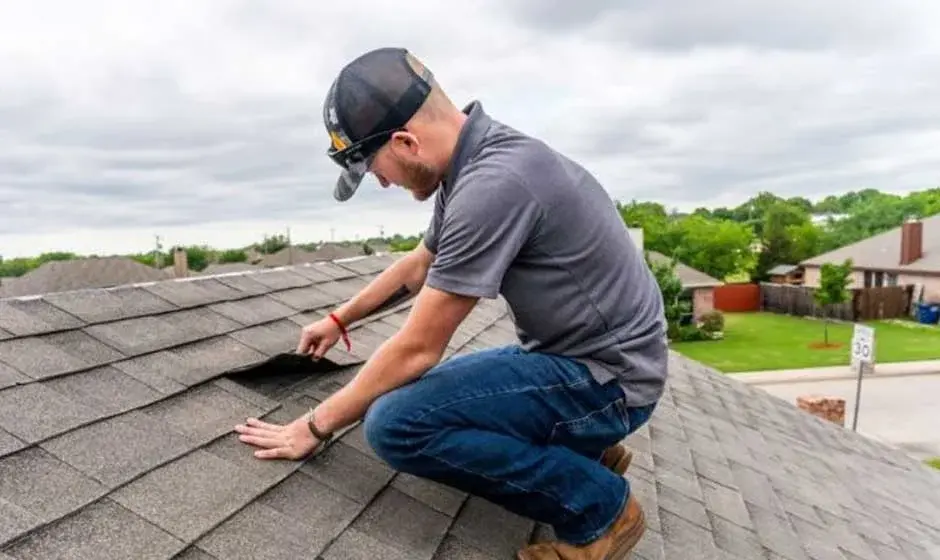
Storm damage roof inspection should happen immediately after severe weather, regardless of your regular schedule. Schedule a professional assessment within a few days of storms involving high winds over 50 mph, hail of any size, or fallen trees or large branches. Early documentation helps with insurance claims and prevents damage from worsening before repairs.
Pre-listing inspection before selling your home identifies issues that might concern buyers or home inspectors. Addressing problems before listing prevents surprises during the sale process. Documentation showing recent professional inspection and any completed repairs adds value and reassures buyers about the roof condition.
Post-purchase inspection after buying a home establishes a baseline condition and identifies any needed maintenance. Even if the home inspection included a roof assessment, having your own inspection by a contractor you choose provides detailed documentation and begins your relationship with a local roofer.
Documentation for Insurance Purposes
Proper inspection documentation proves valuable for insurance claims and often influences claim outcomes. Understanding what documentation you need and how to maintain it protects your interests when filing claims.
Required Documentation Elements
Insurance companies want dated inspection reports showing roof condition before damage occurred. Reports should include the roof inspection date, inspector credentials, and detailed findings about roof condition at that time. This documentation establishes that you maintained the roof properly and that damage resulted from a covered event rather than neglect.
Photographs form the most important documentation element. Inspectors should provide photos of all roof areas, close-ups of any problem areas, and overview shots showing overall roof condition. Photos should be high-quality, clearly dated, and organized by roof section or component.
Material documentation, including shingle manufacturer, product line, installation date, and warranty information, belongs in your roof file. After roof installation or replacement, keep all paperwork showing what materials were used and what warranties apply. This information becomes essential during insurance claims or warranty claims.
Insurance Claim Documentation
When filing claims after storm damage, provide your insurance adjuster with pre-damage inspection reports showing your roof’s condition before the event. This documentation demonstrates that damage resulted from the covered storm rather than pre-existing conditions or poor maintenance.
Post-damage documentation should include roof inspection reports from your contractor showing what damage occurred, estimates for repair or replacement, and photos clearly showing damage. Documentation should connect damage to the specific weather event, noting the date of the storm and the type of weather involved.
Keep all correspondence with your insurance company, including claim numbers, adjuster names, and contact information, and records of phone conversations. Note the date, time, and substance of all communications. This documentation becomes important if disputes arise about coverage or appropriate repairs.
Inspection Report Interpretation
Understanding what inspection reports tell you helps you make informed decisions about maintenance and repairs. Reports include technical information that benefits from explanation in plain language.
Severity Classifications
Inspectors typically classify findings by urgency. “Immediate attention” or “urgent” items require repair within days to prevent damage progression or safety hazards. These might include active leaks, missing shingles exposing underlayment, or structural concerns.
“Near-term attention” or “moderate priority” findings should be addressed within weeks to months. These issues aren’t emergencies, but will worsen without repair. Examples include cracked flashing, minor shingle damage, or early signs of ventilation problems.
“Routine maintenance” or “monitor” items don’t require immediate action but should be tracked over time. These might include normal aging patterns, minor granule loss within expected ranges, or conditions that typically don’t progress quickly. Inspectors note these items so future roof inspection can assess whether they’re developing as expected or accelerating.
Understanding Technical Terms
Common report terms benefit from translation. “Granule loss” refers to the protective mineral coating on shingles wearing away. Light granule loss is normal; excessive loss indicates aging shingles approaching replacement.
“Thermal cracking” or “thermal splitting” describes cracks in shingles caused by expansion and contraction from temperature changes. Small cracks might not leak immediately, but create vulnerable areas where water can penetrate.
Repair vs. Replacement Recommendations
Reports should clearly state whether identified problems require repair or whether the roof’s overall condition suggests replacement makes more sense financially. Multiple significant problems affecting different areas often point toward replacement being more cost-effective than extensive repairs.
Single issues or localized problems typically warrant repair regardless of roof age. If the overall roof is sound except for one problem area, repair provides better value than premature replacement.
Age factors into repair versus replacement decisions. Roofs in their final 3-5 years of expected life might not justify extensive repair investments. The money spent on major repairs could serve better as a down payment on replacement.
Typical Findings by Roof Age
Different problems appear at different stages of the roof inspection. Understanding typical patterns for your roof’s age helps you anticipate issues and budget appropriately.
New Roofs (0-5 Years)
Recently installed roofs should show few problems during a professional inspection. Findings typically involve minor issues like a loose shingle that needs reattachment or small flashing adjustments. More significant problems might indicate installation quality issues or manufacturing defects.
Warranty coverage applies to most problems on newer roofs. If inspectors find concerning issues on roofs under 5 years old, discuss whether they might be covered under workmanship or material warranties. Documentation from professional inspection supports warranty claims.
Mid-Life Roofs (6-15 Years)
Roofs in this age range generally perform well with minor maintenance needs. Common findings include a few shingles damaged by storms or fallen branches, minor flashing issues at penetrations, and normal granule loss patterns. These roofs benefit most from regular maintenance since they have substantial remaining life worth protecting.
Unusual problems on mid-life roofs warrant investigation. If the roof inspection reveals significant issues on a 10-year-old roof, determine whether they result from poor installation, material defects, or external factors like inadequate ventilation. Addressing root causes prevents recurring problems.
Aging Roofs (16-20 Years)
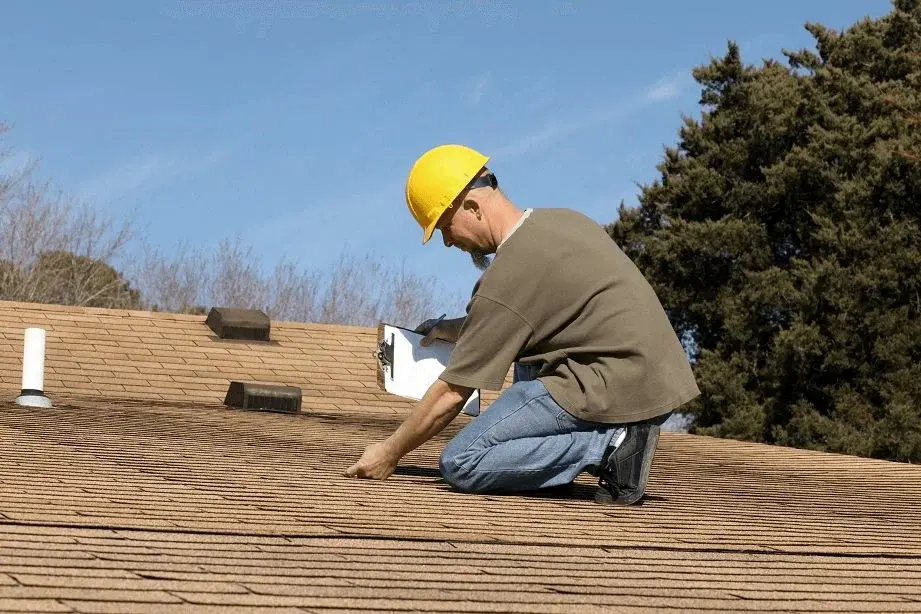
Roofs approaching their expected 20-25-year lifespan show more significant age-related wear. Inspectors typically find widespread minor granule loss, some curling at shingle edges, and occasionally brittle shingles that crack when touched. Flashing may show rust or deterioration, and sealant often needs renewal.
Planning for replacement should begin when roofs reach this age, even if no major problems exist. Knowing replacement is approaching within 5 years allows you to budget and research options rather than facing a surprise emergency replacement.
Old Roofs (20+ Years)
Roof inspection exceeding their expected lifespan often show multiple problems simultaneously. Inspectors may find numerous damaged shingles, failed flashing at multiple locations, deteriorated sealant, and sometimes structural concerns from long-term minor leaks. These findings typically support replacement recommendations rather than continued repairs.
Some roofs perform well beyond their expected lifespan with proper maintenance and favorable conditions. If inspection shows an old roof in surprisingly good condition, you might continue maintenance while monitoring closely for decline. However, budget for replacement since these roofs can deteriorate quickly once problems begin.
The inspection checklist detailed above gives you a clear understanding of what professionals examine during a roof assessment. Combined with appropriate timing for Western North Carolina’s climate and proper documentation practices, regular inspections represent one of your best investments in protecting your home. Small inspection costs prevent large repair bills by catching problems early when they’re still manageable.
Contact Secure Roofing to schedule your annual inspection and receive a detailed report with photos documenting your roof’s current condition. Our licensed and insured team understands what to look for in Western North Carolina homes and provides clear documentation you can use for insurance, warranties, and maintenance planning.