
Preventative Roof Maintenance in Asheville, NC: Protect Your Investment
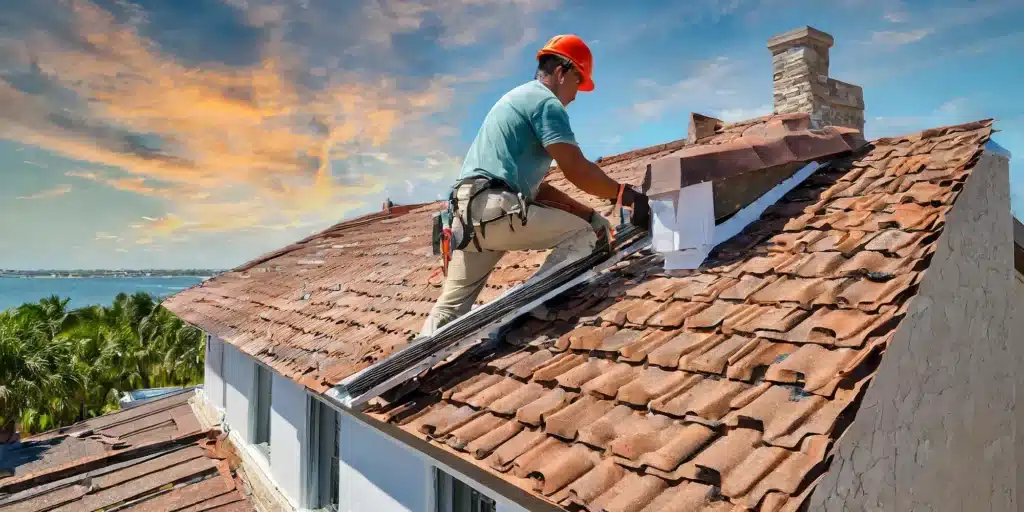
Your roof represents one of the largest investments in your home. In Western North Carolina, where weather patterns range from summer thunderstorms to winter ice and everything in between, that investment faces constant challenges. Preventative roof maintenance offers a straightforward way to protect your home and extend the life of your roofing system, often by several years.
Many homeowners wait until they notice a problem before calling a roofer. Water stains on the ceiling, missing shingles after a storm, or visible damage from the ground often trigger that first call. This reactive approach makes sense when you’re busy managing everything else in life, but it typically costs more in the long run. Small issues that could have been fixed quickly turn into larger repairs or even full replacements.
Professional maintenance programs take a different approach. Instead of waiting for problems to show up inside your home, regular inspections catch issues while they’re still minor. A small section of worn flashing costs significantly less to address than the water damage that develops when that flashing fails completely.
Why Preventive Maintenance Extends Roof Life
Metal roofs face different challenges but benefit just as much from regular attention. Fasteners can work loose over time, sealant at penetrations can deteriorate, and panels can develop minor issues that grow worse without intervention. A metal roof installation represents a significant investment that performs best with periodic inspection and roof maintenance.
The materials in your roof naturally degrade over time. Ultraviolet radiation from sunlight breaks down asphalt shingles, making them brittle. Temperature cycles cause expansion and contraction that can loosen fasteners. Rain, wind, and debris gradually wear away protective granules on shingles. Maintenance doesn’t stop this natural aging process, but it slows the rate of deterioration and addresses secondary problems before they compromise the entire system.
Warranty protection offers another reason to maintain your roof properly. Most manufacturer warranties require documentation of proper maintenance. If you file a claim for a defective product but can’t show regular professional inspections, the manufacturer may deny coverage. The cost of annual maintenance becomes minimal compared to losing warranty protection on a premium product.
Annual Inspection Schedules Recommended for WNC Climate
Fall inspections in September or October prepare your roof maintenance for winter. These inspections focus on ensuring your roof can handle the coming months of cold, potential snow, and ice formation. Addressing issues before winter prevents problems from worsening during the season when repairs become more difficult and expensive.
Homes with specific risk factors benefit from more frequent inspection. Properties with significant tree coverage should be checked more often, especially after major storms. Older roofs in their final years of expected service life warrant quarterly inspections to catch problems early. Commercial buildings with roof equipment like HVAC units may need specialized inspection schedules that coordinate with equipment maintenance.
Your roof’s age also influences inspection frequency. Newer roofs under 10 years old typically perform well with annual inspections unless specific problems develop. Roofs between 10 and 20 years old benefit from twice-yearly inspection as they enter the period where issues become more common. Roofs over 20 years old deserve quarterly attention since they’re approaching the end of their typical service life.
What’s Included in Professional Maintenance Services
Flashing inspection receives particular attention since flashing represents common failure points. Roofers examine flashing around chimneys, vent pipes, skylights, and wall intersections. They look for rust on metal flashing, cracks in sealant, and signs that water has penetrated behind the flashing. Many roof leaks originate at flashing rather than at damaged shingles.
Gutter inspection forms an essential part of roof maintenance. Gutters protect both your roof and your home’s foundation by managing water runoff. Contractors check for proper slope, secure mounting, debris accumulation, and signs of overflow. They verify that downspouts direct water away from the foundation and that splash blocks or extensions function properly.
Structural evaluation looks for sagging, which indicates potential deck problems. Contractors note any areas where the roof plane doesn’t appear uniform. They check for signs of trapped moisture or rot around penetrations and at eaves. While they typically can’t fully assess the deck without removing shingles, experienced roofers can identify warning signs that warrant further investigation.
DIY Maintenance Tasks Homeowners Can Safely Perform
Trimming overhanging branches protects your roof from multiple problems. Branches that touch or hang close to your roof scrape against shingles during wind, wearing away protective granules. They drop leaves and debris that accumulate on the roof and in gutters. They provide pathways for squirrels and other animals to access your roof. Keep branches trimmed back at least 6 feet from your roof surface.
Removing debris from roof valleys deserves attention when you can do it safely. Valleys accumulate leaves and pine needles that can trap moisture and accelerate deterioration. If you have a low-slope roof maintenance or can reach valleys from a ladder without walking on the roof, clearing this debris helps maintain proper water flow. Never attempt this task if it requires walking on steep slopes or using extension ladders for roof access.
Checking and cleaning soffit vents helps maintain proper ventilation. These vents often become blocked by debris, wasp nests, or accumulated dirt. Keeping them clear ensures attic ventilation works as designed. This task typically requires only a ladder and doesn’t involve roof access.
Professional-Only Maintenance Tasks

Walking on roofs requires specific knowledge about safe routes and weight distribution. Asphalt shingles can be damaged by improper foot placement, especially in hot weather when they’re softer. Professionals know how to move across a roof without causing damage and use proper fall protection. The risk of serious injury from roof falls makes professional service worthwhile for any task requiring roof access.
Sealant application around penetrations requires knowing which products work for specific applications and how to apply them properly. The wrong sealant or improper application can cause more problems than it solves. Professionals understand compatibility issues between different roofing materials and sealants.
Shingle replacement involves more than simply nailing down new shingles. Proper replacement requires matching existing materials, understanding how to integrate new shingles with old ones, and ensuring water-shedding patterns remain effective. Professionals can replace individual shingles or small sections without visible repairs that look patched.
Seasonal Maintenance Considerations
Western North Carolina’s distinct seasons create specific maintenance needs throughout the year. Timing certain tasks to align with seasonal patterns maximizes their effectiveness.
Spring Maintenance
April and May offer ideal timing for post-winter inspection. After the last freeze, examine your roof for ice dam damage, which typically appears as lifted or creased shingles along the roof edge. Check all flashing carefully since freeze-thaw cycles can crack sealant. Verify that winter storms haven’t dislodged shingles or damaged the roof maintenance surface.
Spring cleaning should include thorough gutter clearing. Winter debris combined with spring pollen creates thick sludge in gutters that blocks proper drainage. Test downspouts by running water through them to ensure they flow freely. Spring’s moderate temperatures make this work more comfortable than summer heat.
Tree assessment matters in spring. Winter storms may have weakened branches that need removal before the leaf canopy develops. Identify potential hazards while you can still see the branch structure clearly. Spring growth also reveals branches that have extended closer to your roof and need trimming.
Fall Maintenance
September through early November represents the most important maintenance window. Fall preparation for winter prevents many problems before they develop.
Comprehensive gutter cleaning in the fall deserves priority attention. Leaves from deciduous trees will accumulate quickly during this season. Clean gutters at least twice during fall in wooded areas—once in early fall and again after leaves finish dropping. Verify that gutter hangers remain secure and that all downspouts direct water away from your foundation.
Pre-winter inspection should verify that your roof maintenance is ready for cold weather. Check that all roof repairs from earlier in the year were completed properly. Confirm that flashing and sealant around penetrations can withstand freeze-thaw cycles. Look for any shingle damage that could worsen under snow load.
Trim back tree branches before winter storms. Ice-laden branches pose a greater risk than summer branches. Create adequate clearance between branches and your roof surface to account for ice weight pulling branches lower.
Winter Maintenance
Winter requires limited active maintenance but demands vigilant monitoring. After significant snow or ice events, watch for ice dam formation along roof edges. Ice dams appear as ridges of ice at the eave that prevent melting snow from draining properly. This trapped water can back up under shingles and cause leaks.
If safe to do so from the ground, remove heavy snow accumulation from lower roof sections. Use a roof maintenance rake specifically designed for this purpose. Never climb on an icy or snow-covered roof. Heavy snow loads can damage roof structure, particularly on older homes or in areas not designed for significant snow accumulation.
Monitor your attic for ice dam indicators during winter. Dark stains near eaves, moisture on the roof deck underside, or water dripping from attic insulation all suggest problems requiring professional attention. Ice dam prevention often requires improving attic insulation and ventilation rather than just removing the ice.
Maintenance Plans and Scheduling Options
Annual maintenance plans typically include two inspections (spring and fall), minor repairs up to a specified cost, priority scheduling for emergency service, and detailed documentation. These plans work well for most homeowners and provide adequate oversight for roofs in good condition.
Custom maintenance programs can be designed for unique situations. Homes with multiple roof types, complex configurations, or special materials may benefit from tailored approaches that address specific needs. Commercial properties often require customized schedules that coordinate roof maintenance with other building systems.
Maintenance plan pricing structures vary by contractor. Some charge flat annual fees that include specified services. Others use tiered pricing where basic inspection costs less but repairs are billed separately. Understanding exactly what each plan includes helps you compare options and select appropriate coverage.
Transferable maintenance plans add value when selling your home. Some contractors allow plans to transfer to new owners, providing them peace of mind and you a selling advantage. Documentation showing regular professional maintenance makes your roof more attractive to buyers and their inspectors.
Documentation for Warranty Compliance
Proper documentation includes dated inspection reports with photographs showing roof condition at each inspection. Reports should note materials used, problems identified, and repairs performed. Contractors should sign reports and include their license numbers. This creates a clear maintenance timeline that satisfies warranty requirements.
Keep all maintenance documentation organized and accessible. Create a roof maintenance file that includes original installation paperwork, warranty documents, and all subsequent inspection reports and repair invoices. This file becomes valuable during warranty claims, insurance claims, and when selling your home.
Digital documentation offers advantages for long-term record keeping. Photos from each inspection should be dated and stored so you won’t lose them. Many contractors now provide digital reports through customer portals, making documentation easier to maintain and access when needed.
Insurance claims may require maintenance documentation. After storm damage, insurance adjusters want to know the roof’s condition before the storm. Regular inspection reports provide this information and can support your claim. Lack of documentation may lead adjusters to question whether pre-existing problems contributed to the damage.
Maintenance for Different Roofing Materials
Different roofing materials require specific maintenance approaches. Understanding your roof type helps you provide appropriate care.
Asphalt Shingle Maintenance
Asphalt shingles represent the most common roofing material in our area. These roofs benefit most from regular inspection focused on granule loss, seal integrity, and flashing condition. Moss and algae growth affect asphalt shingles more than other materials and should be addressed promptly.
Soft-wash cleaning removes algae stains without damaging shingles. Never pressure wash asphalt shingles, as high-pressure water dislodges granules and shortens roof life. Professional cleaning uses specialized low-pressure application of cleaning solutions that kill growth without harming shingles.
Asphalt shingles become more brittle as they age, making older roofs more vulnerable to impact damage and foot traffic. Maintenance on older asphalt roofs should minimize roof access and focus on careful inspection from ladders when possible.
Metal Roof Maintenance
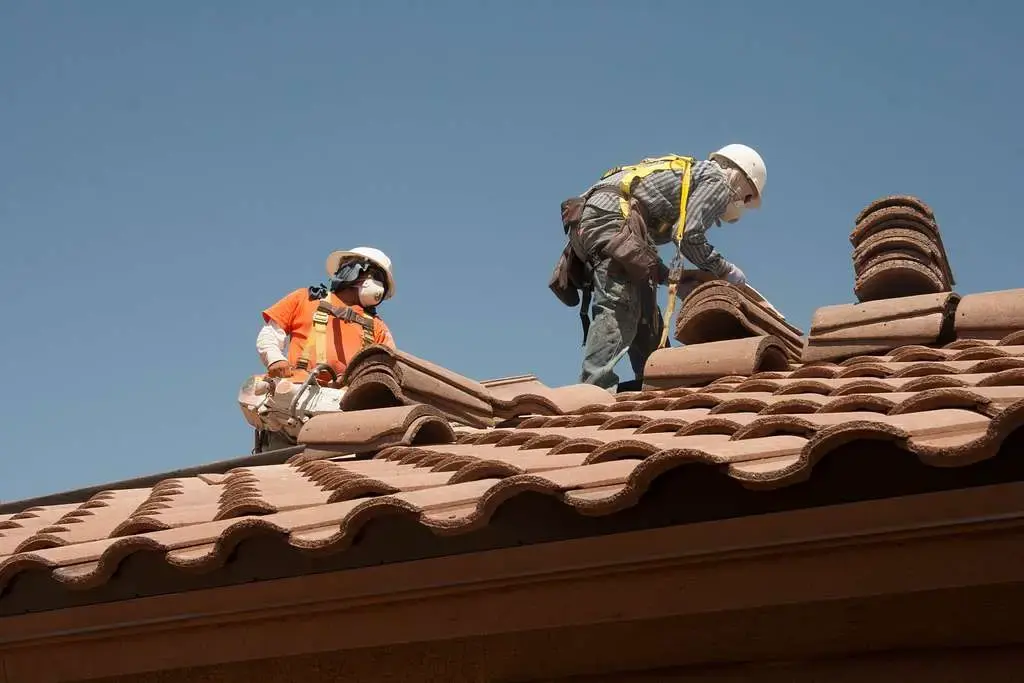
Metal roofs require a different maintenance focus than asphalt systems. Regular inspection should verify that fasteners remain tight, since thermal expansion and contraction can gradually loosen screws. Check sealant at all penetrations and where panels overlap.
Paint or coating on some metal roofs may need periodic renewal. While the metal itself lasts decades, coatings that provide color and additional weather protection may require maintenance every 10-15 years. Professional assessment determines when coating renewal becomes necessary.
Metal roofs are more resistant to moss and algae growth, but can develop rust spots, particularly at fasteners or cut edges. Addressing rust early prevents it from spreading. Contractors can treat small rust spots and apply touch-up coating to prevent expansion.
Flat or Low-Slope Roof Maintenance
Flat and low-slope roofs using modified bitumen, TPO, PVC, or EPDM membranes require consistent attention to drainage. Any ponding water that doesn’t drain within 48 hours indicates problems that need correction. Standing water accelerates membrane deterioration and can lead to leaks.
Seam inspection deserves particular focus on membrane roofs. Seams represent potential weak points where leaks often develop. Professional inspection should carefully examine all seams for splitting, lifting, or deterioration.
Regular debris removal matters more on low-slope roofs since debris doesn’t shed off naturally. Leaves, dirt, and organic matter can accumulate and retain moisture against the membrane. Schedule professional cleaning at least annually, more often if trees overhang the roof.
Local Weather Considerations
Western North Carolina’s climate creates specific challenges that influence maintenance priorities. Understanding how our weather affects roofs helps you focus attention appropriately.
Summer Thunderstorm Season
June through September brings frequent afternoon thunderstorms with high winds, lightning, and occasionally hail. These storms can damage even well-maintained roofs. After significant weather events, perform ground-level visual inspection looking for missing shingles, downed tree limbs, or obvious damage.
Hail damage requires professional assessment. Small hail dents may not be visible from the ground but can compromise shingle integrity. If you know your area experienced hail larger than one inch in diameter, schedule a professional inspection even if you don’t see obvious damage. Insurance claims for hail damage have specific time limits, making prompt assessment important.
Lightning strikes near your roof can damage flashing or create paths for water intrusion even without direct hits. If lightning strikes your property or nearby, a professional inspection helps identify any resulting damage before it leads to leaks.
Hurricane Season Impacts
While we’re inland from direct hurricane landings, tropical systems bring heavy rain and strong, sustained winds to our region. These systems can dump several inches of rain quickly, testing your roof’s water management capacity. Hurricane season runs from June through November, with peak activity in August and September.
Pre-hurricane season inspection verifies that your roof can handle the challenges these storms present. Ensure gutters are clear, flashing is secure, and any marginal shingles are replaced before storm season. This preventative work reduces the likelihood of emergency repairs during storms when contractors are overwhelmed with calls.
Post-tropical storm inspection should happen as soon as safe, particularly after systems bringing sustained winds over 40 mph. These winds can lift shingle edges even without breaking the seal, creating vulnerability during the next rain. Address any damage quickly before the next storm arrives.
Winter Weather
Ice dams represent the primary winter concern for our area. These form when heat from your attic melts snow on upper roof sections. Water runs down to the colder eaves where it refreezes, creating ice ridges. Melting snow backs up behind these ridges and can seep under shingles.
Proper attic insulation and ventilation prevent most ice dam problems by keeping the roof temperature uniform. If you consistently experience ice dams, a professional evaluation of your attic space can identify improvements that eliminate this recurring issue.
Snow load rarely threatens the roof structure in our area since we typically receive less accumulation than mountain homes are designed to handle. However, heavy wet snow combined with ice can create significant weight. If you experience unusual snow accumulation or ice buildup, monitor for any signs of stress, like sagging or unusual sounds from the roof structure.
Contact Secure Roofing to discuss roof maintenance plans appropriate for your home and schedule your next inspection. We understand Western North Carolina’s climate challenges and provide the reliable, professional service your roof deserves.