
What Happens to Your Roof During a WNC Winter?
Home /
What Happens to Your Roof During a WNC Winter?
Winter in Western North Carolina is not like WNC winter in Charlotte. Up in the mountains, temperatures swing hard from above freezing during the day to well below it at night. Snow accumulates differently at 3,000 feet than it does in the Piedmont. And the combination of moisture, cold, and elevation puts a kind of stress on residential roofing that many homeowners underestimate until they see the damage in March.
This guide walks through the main ways winter roof damage in Western NC happens, what to watch for, and why a spring inspection after a hard winter is money well spent.
Why WNC Winters Are Harder on Roofs Than You’d Expect
The Asheville area averages around 20 inches of snow per year, but communities like Waynesville, Black Mountain, and areas near the Blue Ridge Parkway can see considerably more. More importantly, the freeze-thaw pattern here is relentless. A sunny afternoon in January can warm a roof surface significantly, only for temperatures to drop again after dark.
That cycle matters because water expands when it freezes. Anywhere water can get into a small crack or gap in your roof’s layers, freezing and thawing can pry it wider. Do that 30 or 40 times over a winter season, and materials that were fine in October can be genuinely compromised by February.
Ice Dams: What They Are and Why They’re Destructive
Ice dams are among the most common and damaging forms of WNC winter roof damage in Western NC, and they’re more likely to occur on homes with poor attic insulation or ventilation.
Here’s how they form. Heat from your living space rises into the attic, warming the roof deck. Snow on the roof melts, runs down toward the eaves, and refreezes there because the eaves are colder than the rest of the roof. That frozen water builds up into a ridge of ice. Water behind the dam has nowhere to go, so it backs up under shingles, around flashings, and eventually into your home.
The damage shows up as water stains on ceilings, damaged insulation, rotting wood in the eave area, and, in serious cases, structural problems. By the time you see a water stain on your ceiling, the water has usually been sitting behind your shingles for a while.
Proper attic ventilation is the real solution. A well-ventilated attic stays closer to outdoor temperatures, so the roof deck doesn’t warm unevenly. If you had ice dams this past winter, that’s a signal worth taking seriously. A professional roof inspection can tell you whether you have ventilation-related vulnerabilities before next winter.
Freeze-Thaw Cycles and Shingle Damage
Asphalt shingles are designed to flex with temperature changes, but they have limits. Cold makes shingles brittle, and repeated freezing and thawing causes the granules on the surface to loosen and shed. Those granules matter because they protect the underlying asphalt from UV damage and help with water shedding. Once granule loss reaches a certain point, shingles degrade significantly faster.
You might notice granules collecting in your gutters after the WNC winter. A small amount is normal. A substantial amount in the spring, especially from a roof that’s 10 to 15 years old, is a sign that replacement deserves a conversation.
Freeze-thaw cycles also affect flashings, which are the metal pieces that seal transitions around chimneys, vents, skylights, and where your roof meets a wall. Flashing relies on a sealant that can crack and separate in cold weather. When that happens, water gets in at the edges rather than through the shingles themselves, and those leaks can be tricky to trace.
Snow Load on Mountain Homes
Most WNC Winter homes are built to handle regional snow loads, but older structures or those with low-slope sections can be vulnerable during heavy snow years. Standard residential roof construction in North Carolina is typically designed for a snow load of 15 to 25 pounds per square foot, though this varies by location and elevation.
Wet, heavy snow is the real concern. Fresh powder is relatively light, but snow that partially melts and refreezes can weigh three to five times more. A foot of wet, compacted snow on a 2,000 square foot roof can easily add 30,000 to 60,000 pounds of load.
Signs of structural stress from snow load include:
- Visible sagging or a bowed appearance to the roof sections
- Doors inside the house that suddenly stick or won’t close properly
- Cracking sounds from the attic during or after a snowstorm
- Ceiling cracks appearing after a heavy snow event
If you see any of these, that’s a situation where calling a roofer is the right move, not waiting to see if it resolves on its own.
What Gutters Go Through in a WNC Winter
Gutters take a beating in cold weather, and damaged gutters compound roof problems. Ice forming inside gutters adds significant weight. On a standard 5-inch K-style aluminum gutter, a full run of ice can weigh hundreds of pounds, pulling hangers loose, bending the gutter channel, and creating gaps where the gutter meets the fascia board.
When gutters pull away from the fascia, water no longer drains properly from the house. That water finds its way behind the gutters, behind the fascia, and eventually into your soffit and eave area, which is already the most vulnerable part of your roof to ice dam damage.
Checking your gutters for damage after the WNC winter is just as important as checking the roof surface itself. Look for sections that have pulled away from the house, joints that have separated, and gutters that no longer slope properly toward the downspouts.
The Spring Inspection: Why It Matters More Than Most Homeowners Realize
A lot of winter roof damage doesn’t announce itself loudly. Water finds paths through small compromises in flashings, around nail heads, or through shingles that look okay from the ground but aren’t. By the time a leak becomes visible inside your home, it has usually been working its way through the structure for weeks or longer.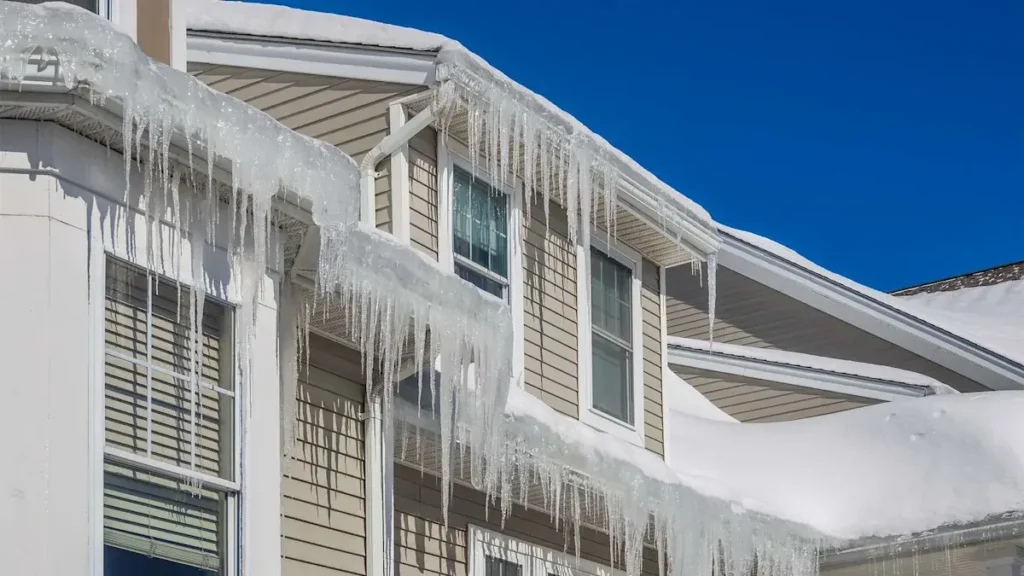
A professional roof inspection in late winter or early spring catches those problems before they become expensive. A good roofer looks at things a homeowner can’t assess safely or accurately from a ladder at the edge of the roof, including the condition of flashings, the state of shingle granules and edges, the soffit and fascia boards, and the attic side of the roof deck.
If you’re in Hendersonville, Waynesville, or the Swannanoa Valley and your roof is more than 15 years old, a post-winter inspection is especially worthwhile. Older roofing materials tolerate freeze-thaw stress less well than newer ones, and problems that would repair cleanly in early spring can require significantly more work by summer.
What About Metal Roofs in WNC Winters?
Metal roofing handles WNC winters better than asphalt in several important ways. Metal doesn’t absorb water, so freeze-thaw damage to the shingle material itself isn’t a factor. Snow also tends to slide off metal roofs more readily, reducing the problem of load accumulation.
That said, metal roofs are not maintenance-free in the WNC winter. Expansion and contraction with temperature changes can loosen fasteners over time, and the area where metal panels meet flashings or transition to other materials still requires attention. Metal roofing in the Asheville area typically offers a significantly longer lifespan than asphalt in demanding mountain climates, which is worth considering if you’re approaching a replacement decision.
Frequently Asked Questions
How do I know if my roof has ice dam damage?
Look for water stains on interior ceilings or walls near exterior walls, especially in room corners or where the roof meets a wall. Damaged, lifted, or curled shingles at the eave line are another sign. Staining or rot on the soffit boards under the eave is also common in ice-dam damage.
Can I remove snow from my roof myself?
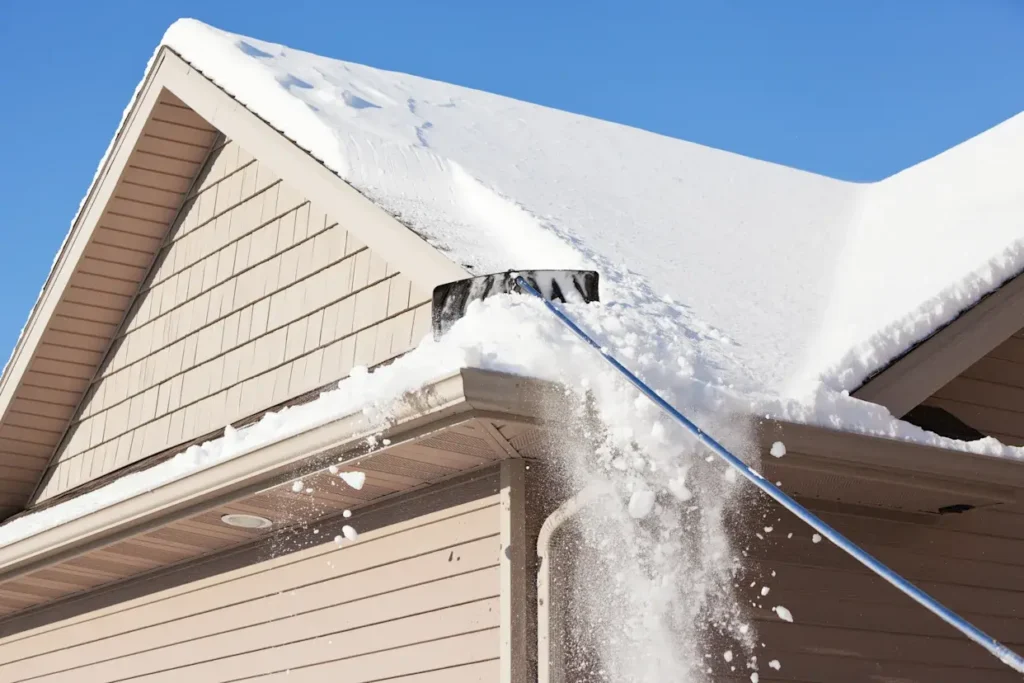
Roof rakes designed for snow removal can work for one-story homes on sections of the roof you can reach safely from the ground. Getting on a snow-covered or icy roof yourself is genuinely dangerous. If you’re concerned about snow load, calling a professional is the right call.
How much does winter roof damage repair typically cost in WNC Winter?
Repair costs vary widely depending on what’s actually damaged. Minor flashing repairs or a few replaced shingles are relatively modest jobs. Ice dam damage that has reached the decking, insulation, or interior framing is considerably more. Contact us for a free estimate, and we’ll give you an honest assessment of what you’re looking at.
Ready to Schedule Your Spring Roof Inspection?
WNC Winter doesn’t give your roof a break. By the time the snow melts and things warm up in the mountains, the damage has already been done. The question is whether you catch it early enough to handle it on your terms.
Secure Roofing is locally owned and serves homeowners throughout Western North Carolina, including Asheville, Hendersonville, Black Mountain, Waynesville, Brevard, and the surrounding communities. We offer free estimates with no obligation, and we’re available 24/7 for emergencies. Contact our team to schedule your spring inspection or call us at 828-888-ROOF.

Schedule Our Service
Our Services

Contact Our Roofing Team
Ask Secure Roofing today for an appointment. Call us or fill out the form to get started.