
How to Choose the Best Roofing Contractor in Asheville, NC
Why Your Choice of Roofing Contractor Matters More Than You Think
Your roof protects everything beneath it. It shields your family from mountain storms, keeps your heating bills manageable during cold mountain winters, and accounts for a significant portion of your home’s value. When that roof needs repair or replacement, the contractor you choose can make the difference between decades of protection and years of costly problems.
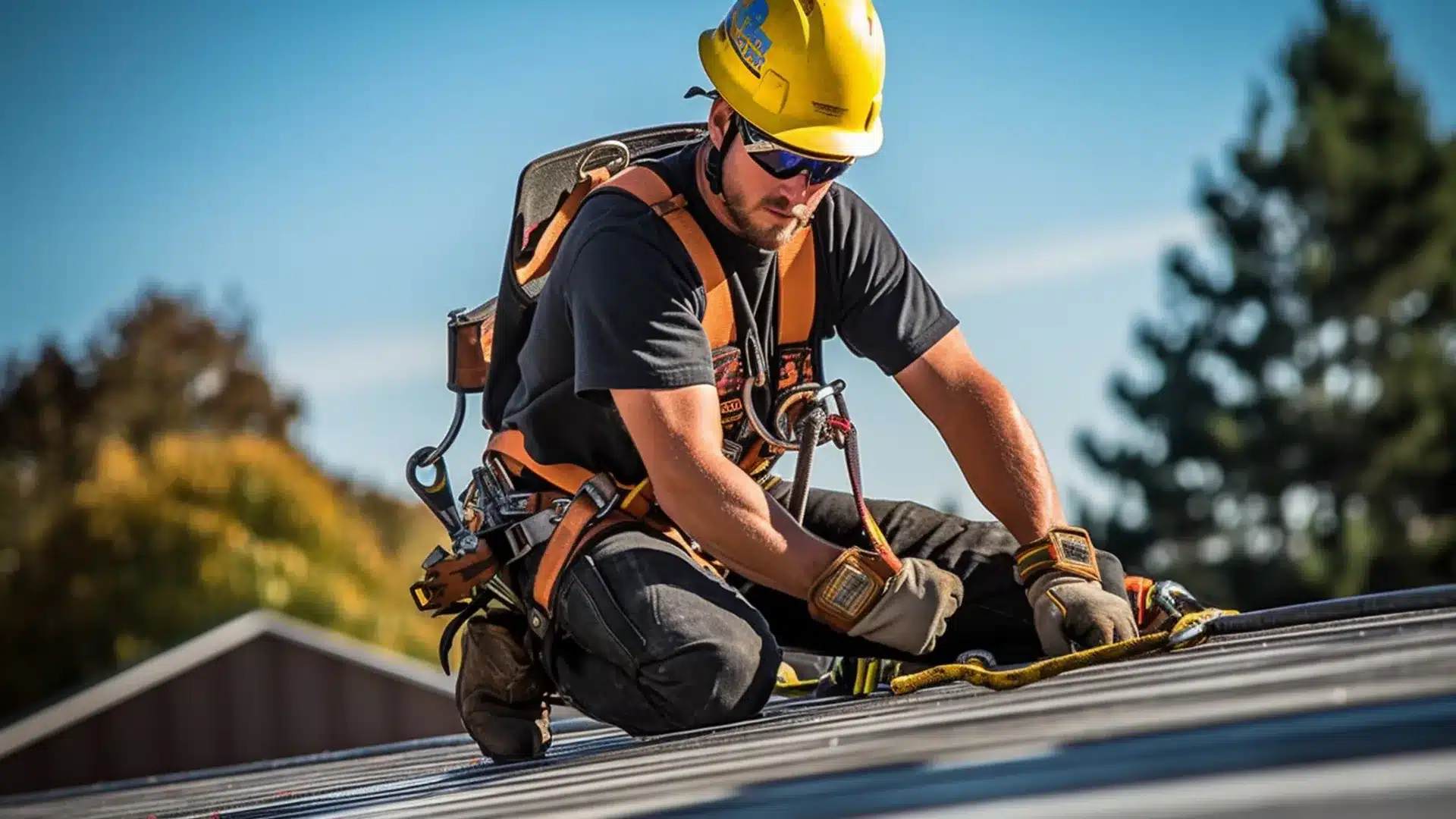
Western North Carolina homeowners face unique roofing challenges that generic contractors often overlook. Our elevation, weather patterns, and seasonal temperature swings demand specific expertise. A contractor who understands roof installation in Asheville, NC, knows these factors by heart because they work with them every day.
The wrong contractor can leave you with improper ventilation that creates ice dams, incorrect flashing that leads to leaks, or substandard materials that fail within years instead of decades. The right contractor becomes a trusted partner in protecting your home for the long haul.
Essential Qualifications Every Asheville Roofing Contractor Must Have
Proper North Carolina Licensing
North Carolina requires roofing contractors to hold a valid license for projects over $30,000. This license demonstrates that the contractor has met minimum competency requirements and maintains necessary bonds. Before you sign anything, verify the contractor’s license number with the North Carolina Licensing Board for General Contractors.
Licensed contractors follow building codes specific to our region. They understand permit requirements across Buncombe, Henderson, Madison, Transylvania, and Haywood counties. When you work with a licensed roofing contractor in Western North Carolina, you’re protected by regulatory oversight that holds contractors accountable.
Comprehensive Insurance Coverage
Every reputable roofing contractor carries two critical insurance policies. General liability insurance protects your property if the crew damages your siding, windows, or landscaping during the project. Workers’ compensation insurance protects you from liability if a crew member gets injured on your property.
Don’t accept verbal assurances about insurance. Request certificates of insurance directly from the contractor’s insurance company, not just copies that the contractor provides. Verify that the policies are current and that coverage limits are adequate for your project size.
Contractors who work without proper insurance shift their risk onto you. If someone gets hurt on your property while working on your roof, you could face devastating liability claims if the contractor lacks workers’ compensation coverage.
Local Experience That Actually Matters
Years in business tell you something, but local experience tells you more. A contractor who has worked in Western North Carolina for a decade understands our specific challenges. They know how to properly flash chimneys and skylights for our rainfall patterns. They’ve seen how different roof pitches handle snow load in our elevation ranges. They understand which materials hold up best against our UV exposure and temperature fluctuations.
Local contractors also maintain relationships with building inspectors, material suppliers, and other tradespeople in the area. These connections often result in smoother project execution and better access to quality materials.
Ask potential contractors how many projects they’ve completed in your specific neighborhood or town. References from nearby properties give you the chance to see their work firsthand and talk to neighbors about their experience.
Professional Certifications and Manufacturer Training
Premium roofing manufacturers like GAF, CertainTeed, and Owens Corning require contractors to complete extensive training before awarding certifications. These certifications demonstrate commitment to proper installation techniques and allow contractors to offer enhanced warranties.
GAF Master Elite status, for example, is awarded to less than 3% of roofing contractors nationwide. This designation means the contractor has proven their installation expertise, maintains proper licensing and insurance, and consistently receives positive customer reviews. When you choose a GAF Master Elite contractor, you gain access to upgraded warranty coverage that goes beyond standard manufacturer warranties.
Manufacturer certifications aren’t just marketing badges. They represent real training on proper installation techniques, product handling, and warranty administration. Certified contractors can offer you better warranty protection because manufacturers trust their installation quality.
Questions You Must Ask Before Hiring Any Roofing Contractor
About Their Business Practices
Start with the basics. “How long have you been in business under your current company name?” Some contractors shut down and reopen under new names to escape bad reviews or warranty obligations. “Do you have a permanent physical location?” Companies with real offices and established local addresses demonstrate commitment to the community.
“Can you provide me with your license number and insurance information?” Any hesitation here is a red flag. “What’s your process for obtaining permits and scheduling inspections?” This reveals whether they follow proper procedures or cut corners.
“Who will be my primary point of contact during the project?” You want clear communication channels, not a game of phone tag with different people who don’t know your project details.
About Your Specific Project
“Will you personally inspect my roof before providing an estimate?” Estimates based on satellite photos or quick drive-bys often miss critical issues that become expensive surprises mid-project.
“What specific work do you recommend and why?” Good contractors explain their recommendations in plain language. They show you the problems and help you understand why certain repairs or replacements are necessary.
“What material options do you recommend for my specific situation?” Contractors familiar with Western North Carolina weather should explain why certain roofing materials work better for your roof’s pitch, orientation, and exposure.
“What’s included in your estimate, and what costs might arise during the project?” Detailed answers here prevent surprise charges later.
About Warranties and Guarantees
“What warranty do you offer on your workmanship?” Quality contractors typically provide 10-year workmanship guarantees. Anything less should raise questions.
“What manufacturer warranties come with the materials you’re recommending?” Different shingle lines carry different warranty coverage. Understanding these differences helps you make informed material decisions.
“How do you handle warranty claims?” The best warranty in the world means nothing if the contractor doesn’t respond to issues. Ask about their typical response time for roof repair requests after project completion.
“Are there any actions that void the warranty?” Some warranties require specific maintenance practices or have exclusions you should know about upfront.
About Project Timeline and Process
“When can you start, and how long will the project take?” Weather-dependent scheduling is normal in roofing, but contractors should provide realistic timeframes and explain factors that could cause delays.
“What’s your daily schedule?” Knowing whether crews work 7 am-3 pm or 8 am-5 pm helps you plan your day and understand when you might experience noise.
“How do you protect my property during the work?” Good contractors use tarps, magnetic sweepers, and careful material handling to minimize impact on your landscaping, vehicles, and home exterior.
“What happens if you find additional damage during the project?” Establishing a process for handling surprises prevents disputes when hidden problems emerge.
“How do you handle cleanup?” Your property should look better after project completion than it did before work started. Contractors should remove all debris, sweep the area, and use magnets to collect stray nails.
Understanding North Carolina Licensing and Insurance Requirements
What the Law Actually Requires
North Carolina General Statute 87-1 regulates the construction industry. For roofing projects in Asheville, NC, and surrounding areas, contractors must be licensed if the total project cost (including materials and labor) exceeds $30,000.
The license requirement exists to protect homeowners from unqualified contractors. To obtain a license, contractors must demonstrate financial stability, pass competency examinations, and maintain required bonds and insurance.
Projects under $30,000 don’t require licensing, but this creates a loophole where inexperienced or undercapitalized operators work on smaller homes. Even for projects below the licensing threshold, insist on proof of insurance and local business registration.
How to Verify Contractor Credentials
Visit the North Carolina Licensing Board website and use their licensee search tool. Enter the contractor’s license number or business name. The search results show license status, issue date, and any disciplinary actions.
A contractor’s license number should appear on their business cards, estimates, and advertising. If you can’t find it, ask. Legitimate contractors provide this information immediately.
For insurance verification, call the insurance companies listed on the certificates of insurance. Confirm that policies are current and that coverage amounts match what the contractor claimed. This extra step takes 10 minutes and could save you from devastating liability.
Why You Should Never Skip Insurance Verification
Consider this scenario: A crew member falls from your roof and suffers serious injuries. If the contractor lacks workers’ compensation insurance, the injured worker could sue you directly. Your homeowners’ insurance might not cover this liability, leaving you personally responsible for medical bills, lost wages, and permanent disability costs.
Or imagine your contractor’s crew accidentally punctures your home’s water line while removing old shingles. Without general liability insurance, you’re paying for the water damage repairs out of pocket.
Working with uninsured contractors exposes you to risks that far exceed any savings from their lower bids. The few hundred dollars you might save upfront could turn into tens of thousands in unexpected liability.
Red Flags That Should Make You Walk Away

Pressure Tactics and Suspicious Offers
“This price is only good if you sign today” is the oldest pressure tactic in the book. Legitimate contractors provide written estimates that remain valid for at least 30 days. They want you to feel confident in your decision, not rushed into a commitment.
Storm chasers appear after major weather events, going door-to-door offering immediate repairs. While some legitimate contractors do storm restoration work, many fly-by-night operators use disasters to pressure homeowners into quick decisions. They collect deposits and disappear, or they perform substandard work and leave town before problems emerge.
“We found serious damage that requires immediate attention” might be true, but get a second opinion before authorizing major additional work. Honest contractors document problems with photos and explain why repairs can’t wait.
Payment Demands That Don’t Make Sense
Requiring payment in full before starting work is never acceptable. Standard practice involves a modest deposit (typically 10-25% of project cost) with the balance due upon satisfactory completion.
Cash-only payment demands should trigger immediate suspicion. Legitimate businesses accept checks, credit cards, or bank transfers. Cash payments create no paper trail and suggest the contractor is avoiding taxes or has been burned by bounced checks due to poor work quality.
“We can give you a better price if you pay in cash” means the contractor plans to avoid reporting the income. This “deal” leaves you without proper documentation if problems arise later.
Missing Documentation and Vague Contracts
Verbal estimates and handshake agreements might feel friendly, but they’re worthless when disputes arise. Every legitimate contractor provides detailed written estimates that specify materials by brand and model, labor costs, start and completion dates, payment schedule, and warranty terms.
Contracts that leave blank spaces “to be filled in later” create opportunities for unscrupulous contractors to alter terms after you’ve signed. Never sign a partially completed contract, even if the contractor promises to “just add the material details later.”
Estimates that say “roof replacement” without specifying what’s included are red flags. Does the price include a tear-off? Disposal? New flashing? Underlayment? Ice and water shield? Ridge vent? Without these details, you can’t compare estimates fairly or hold contractors accountable.
Licensing and Insurance Evasion
“Licensing requirements are just government overreach” or “Insurance is too expensive, so we pass the savings to you” signals serious problems. These statements reveal either ignorance of legal requirements or willful violations. Either way, you don’t want these people on your property.
Contractors who can’t immediately provide license and insurance information are hiding something. Getting this documentation shouldn’t require multiple requests or take more than a day.
“We’re working on renewing our license” means their license has lapsed. Don’t hire them until they’ve resolved their licensing status. Operating with an expired license suggests serious financial or competency problems.
How to Properly Compare Estimates and Pricing
Why the Lowest Bid Usually Costs You More
Roofing isn’t an area where bargain hunting pays off. The lowest bid typically comes from contractors who are cutting corners on materials, rushing through work, skipping proper underlayment, using inexperienced crews, or planning to add charges later through change orders.
Quality roofing materials cost what they cost. Labor takes the time it takes to do it right. When one estimate comes in significantly lower than others, something doesn’t add up. Either the contractor underbid the job and will cut corners to maintain profit, or they’re lowballing to win the contract and planning to inflate costs through change orders.
Price variations of 10-15% between qualified contractors are normal and reflect different overhead structures, material purchasing relationships, and warranty offerings. Variations beyond 20% demand scrutiny.
What a Detailed Estimate Should Include
A professional estimate breaks down every aspect of the project. Materials should be specified by manufacturer, product line, and color. “Architectural shingles” tells you nothing. “GAF Timberline HDZ in Weathered Wood” tells you exactly what you’re getting.
Labor costs should separate distinct phases: tear-off and disposal, deck preparation and repair, underlayment installation, shingle installation, flashing work, and cleanup. This breakdown helps you understand where your money goes and makes it easier to compare competing estimates.
The estimate should specify waste disposal methods and costs. Roofing debris is heavy and bulky. Proper disposal isn’t cheap, and contractors who don’t account for it in their estimates will add charges later or dump illegally.
Warranty terms belong in the estimate. Both material manufacturer warranties and contractor workmanship guarantees should be specified in writing, not mentioned verbally and omitted from the paperwork.
Understanding the True Cost of Quality
The difference between a 25-year shingle and a 30-year shingle might add $2,000 to your project cost. Spread over the roof’s lifespan, that’s less than $200 per year for superior protection. Quality materials are one of the best investments you can make in your home.
Proper ventilation adds cost but prevents premature shingle failure, ice dams, and moisture problems that can cost tens of thousands to remediate. Skipping or skimping on ventilation to save money now virtually guarantees bigger expenses later.
Ice and water shield along eaves and valleys costs more than standard underlayment, but it provides crucial protection in our climate. Western North Carolina gets snow and ice. This barrier prevents water infiltration when ice dams form or high winds drive rain under shingles.
Questions to Ask When Comparing Estimates
“Why is your estimate different from other contractors’ estimates?” Good contractors can explain their pricing and help you understand where they’re adding value that lower-priced competitors might be cutting.
“What brands and product lines are included?” Use manufacturer websites to verify that the specified products actually exist and research their warranties and performance characteristics.
“How do you handle unexpected repairs discovered during the project?” Some contractors include a contingency in their estimates. Others charge for repairs as they’re discovered. Understanding the policy prevents surprise bills.
“What happens if project costs exceed your estimate?” Reputable contractors absorb small overruns and only seek additional payment for major unforeseen work, and then only after explaining the situation and getting your approval.
Local vs. National Companies: What’s Right for Your Situation
The Local Contractor Advantage
Local contractors live in the community where they work. They shop at the same stores, send their kids to the same schools, and see you around town. This creates accountability that extends beyond legal obligations.
When you need emergency roof repair after a storm, local contractors respond quickly because they’re already in the area handling storm damage throughout the region. National franchises coordinate response from distant offices, which adds delays.
Local contractors understand Western North Carolina’s specific challenges. They’ve worked on hundreds of roofs in our mountains, so they know which materials and techniques work best in our climate. They’re familiar with local building codes, inspector preferences, and permit requirements across multiple counties.
Building relationships with local contractors provides peace of mind for future projects. When you need gutter installation, siding replacement, or other exterior work years from now, you already have a trusted contractor who knows your home’s history.
When National Franchises Make Sense
National franchise operations offer standardized processes and quality control systems. If you’re relocating from another part of the country and don’t have local connections, a recognizable national brand provides some confidence that you’re not hiring blindly.
Large companies often have buying power that translates to material cost savings. They may offer financing options that smaller contractors can’t match.
The challenge with national operations is determining who actually does the work. Many franchise systems use local subcontractors, so you’re paying franchise overhead for work done by area crews who might also work for local independent contractors.
Evaluating National Company Claims
“We’re the largest roofing company in America” doesn’t mean much for your specific project. Size doesn’t guarantee quality. What matters is whether the crew working on your roof is trained, supervised, and accountable.
“We can handle any roofing project,” sounds impressive but may reflect overconfidence. Specialized projects like metal roofing installation require specific expertise. Make sure the company has actual experience with your specific roofing type, not just general roofing capabilities.
“We’ve been in business for 50 years” refers to the corporate entity, not necessarily to operations in Western North Carolina. Ask how long they’ve been working in the region and who manages their local operations.
The Hybrid Approach: Regional Companies
Mid-sized regional contractors offer a balance between local accountability and organizational resources. They’re large enough to handle significant projects and offer comprehensive services, but small enough that owners remain involved in operations and customer service.
Regional contractors serving Asheville, Hendersonville, Brevard, Black Mountain, and surrounding areas understand our entire market. They’re familiar with variations between communities and can staff projects with crews experienced in your specific area.
Reading and Understanding Your Roofing Estimate
Material Specifications That Actually Matter
Your estimate should specify the shingle manufacturer, product line, and color. “Asphalt shingles” is inadequate. “GAF Timberline HDZ architectural shingles in Charcoal” provides the detail you need.
The shingle specification should include warranty information. Timberline HDZ shingles, for example, come with GAF’s limited lifetime warranty plus wind resistance ratings. Understanding these details helps you evaluate whether you’re getting the protection you’re paying for.
Underlayment specifications matter as much as shingles. Synthetic underlayment outperforms traditional felt paper in durability and water resistance. If your estimate lists “roofing felt,” ask whether the contractor offers synthetic options and how much extra they cost.
Flashing materials should be specified. Ice and water shield belongs along eaves, in valleys, around chimneys, and at other vulnerable points. If the estimate doesn’t mention ice and water shield, ask why not. In our climate, it’s essential protection.
Labor Breakdown and Timeline Details
Labor costs typically account for 40-60% of total project cost. Your estimate should separate labor phases so you understand how much time and money go to each aspect of the work.
Tear-off and disposal typically takes one day for an average residential roof. If your estimate allocates three days for tear-off, ask why. Either the roof is extremely large or complex, or the contractor is padding the timeline.
Actual roofing installation time depends on roof size, complexity, weather conditions, and crew size. A 2,000-square-foot simple gable roof might take two days with a four-person crew. A 3,500-square-foot roof with multiple dormers, valleys, and skylights might take five days.
Weather contingencies should be addressed. Roofing can’t happen in rain or extreme wind. Understanding how weather delays affect the project timeline prevents frustration when Mother Nature doesn’t cooperate.
Warranty Terms You Need to Understand
Material warranties come from manufacturers. These cover defects in the shingles themselves, not installation problems. Standard shingle warranties are typically “limited lifetime,” which actually means 10 years of full coverage followed by prorated coverage for the remaining life.
Enhanced manufacturer warranties require certified contractor installation and sometimes specific underlayment products. GAF System Plus warranties, for example, offer 50 years of coverage when a GAF Master Elite contractor installs a complete GAF system.
Workmanship warranties come from your contractor. These cover installation errors, not material defects. A 10-year workmanship warranty is standard for quality contractors. Anything less suggests the contractor doesn’t stand behind their work.
Transfer provisions matter if you sell your home. Some warranties transfer to new homeowners, maintaining your home’s value. Others are non-transferable, providing protection only to the original homeowner.
Customer Testimonials and References: What to Actually Check

Why Online Reviews Tell Only Part of the Story
Google reviews, Yelp ratings, and Facebook recommendations provide useful information, but they’re just one piece of the puzzle. Happy customers write reviews. Satisfied but not enthusiastic customers usually don’t bother. Extremely unhappy customers write detailed negative reviews.
This creates a bimodal distribution. You see lots of five-star reviews and some one-star reviews, with little in between. The truth about contractor quality often lives in that middle ground.
Look for patterns in reviews rather than focusing on individual complaints. Every contractor occasionally has an unhappy customer. But if multiple reviews mention the same problems, poor communication, for example, or incomplete cleanup, take those patterns seriously.
Recent reviews matter more than old ones. A contractor who did great work five years ago might have changed ownership, lost key employees, or grown too fast to maintain quality. Focus on reviews from the past 12-18 months.
How to Contact and Evaluate References
Ask contractors for contact information for their three most recent projects in your area. You want current references, not carefully curated customers from years ago.
When you call references, ask specific questions. “Would you hire this contractor again?” gets to the heart of their experience. “What surprised you about the project?” often reveals details that don’t emerge from yes/no questions.
“How did the contractor handle unexpected issues?” tests problem-solving ability and communication skills. Every project encounters something unexpected. How contractors respond to problems says more about their character than how they handle straightforward work.
“How does the roof look now, and has the contractor responded to any post-project concerns?” addresses long-term satisfaction and warranty service.
Viewing Completed Projects in Your Neighborhood
Nothing beats seeing finished work with your own eyes. Ask contractors whether you can drive by recent projects in your area. Most homeowners don’t mind if you view their roofs from the street.
Look for clean lines, straight shingle courses, and a consistent appearance. Wavy shingle lines suggest poor installation technique. Color variations in shingles indicate that the contractor mixed products from different production lots, which creates permanent appearance problems.
Check valleys, ridges, and transitions. These are where installation quality really shows. Valleys should be neat and symmetric. Ridge caps should be straight and uniform. Flashing around chimneys and dormers should be tidy and properly integrated with shingles.
Drive by again after a rain to watch the water flow. Properly installed roofs shed water efficiently without creating waterfalls from gutter overflow or pooling at low spots.
Spotting Fake Reviews and Testimonials
Clusters of reviews posted within short timeframes suggest coordinated fake review campaigns. Legitimate contractors accumulate reviews steadily over time as projects complete.
Generic language and excessive enthusiasm mark fake reviews. Real customers mention specific details about their projects. Fake reviewers write vague praise like “These guys are the best!” without explaining why.
Photos matter. Reviews that include project photos are more likely to be authentic. Contractors can’t easily fake having photos of dozens of different homes.
Reviewer profiles with minimal history or generic names like “Home Owner123” are suspect. Real reviewers typically have established accounts with review histories across multiple businesses.
Final Checklist: Making Your Decision With Confidence
Required Documentation Before Signing
Review the contractor’s license and insurance certificates one final time. Confirm that coverage extends through your project completion date. A license that expires mid-project creates problems if insurance claims arise.
Read the entire contract, not just the price and timeline. Understand what’s included, what’s extra, how changes are handled, when payments are due, and how disputes are resolved.
Check whether the contract includes permit acquisition. Some contractors handle permits themselves. Others make it the homeowner’s responsibility. Either way, clarify who’s doing what before work starts.
Verify that warranty terms appear in writing, with specific coverage periods and claim procedures. Verbal warranty promises mean nothing if they’re not documented in your contract.
Questions to Ask Yourself Before Committing
Do I feel comfortable with this contractor? Trust your instincts. If something feels off about the contractor’s demeanor, communication style, or business practices, keep looking. You’re entering a relationship that will last weeks or months, and potentially years if warranty issues arise.
Have I compared at least three detailed estimates from licensed, insured contractors? One estimate provides no context. Two estimates allow comparison but not trend identification. Three estimates give you a clear picture of reasonable pricing and scope.
Do I understand exactly what work will be performed and what materials will be used? If you can’t explain to a friend what’s included in the project, you don’t understand it well enough to sign a contract.
Am I making this decision based on factors other than just price? The cheapest option rarely delivers the best value. Are you choosing a contractor based on their qualifications, communication, references, and overall value, or just because they offered the lowest number?
Payment Schedule Red Flags
Never pay more than 25% upfront. Contractors need some money to purchase materials and schedule crews, but large deposits create incentives to move on to other projects before finishing yours.
Progress payments should align with project milestones. Standard practice involves a deposit at signing, a payment when materials are delivered, a payment at project midpoint, and a final payment upon completion and your approval.
Final payment shouldn’t be due until you’ve inspected the work, verified that cleanup is complete, and confirmed that all permits have been closed out with passing inspections. Some homeowners withhold 10% for a week or two after nominal completion to ensure that any punch list items get addressed.
“Pay as we go” arrangements, where you make daily or twice-daily payments, suggest cash flow problems. Financially stable contractors don’t need constant money infusions to keep operating.
Your Rights as a Homeowner
You have the right to a written contract that specifies all terms, including materials, labor, timeline, payment schedule, and warranty coverage. Verbal agreements aren’t enforceable for projects over $500 in North Carolina.
You have the right to permits and inspections for all work that requires them. Your contractor should handle permit applications and coordinate with inspectors, but you can verify with your local building department that proper permits were obtained and that required inspections passed.
You have the right to reasonable project timelines and communication about any delays. While weather and material availability sometimes cause delays, contractors should keep you informed about schedule changes.
You have the right to a lien-free property. North Carolina’s lien laws can be complex, but contractors should provide lien waivers from themselves and their subcontractors showing that everyone has been paid. This protects you from subcontractors filing liens against your property for unpaid bills.